About me
Since elementary school, I've been driven to understand how things work. I questioned instructions and experimented constantly. I'll never forget when I sparked a motor to life with a nine-volt battery from parts pulled out of my siblings' toys. By twelve, I was teaching myself to code and dismantling electronics to understand them.
My first high school class, engineering, was the catalyst that shifted my curiosity into something I wanted to do for the rest of my life. The class gave names and purpose to what I had been doing. Reverse engineering wasn't just taking things apart. It was a legitimate process of discovery. Playing with motors and batteries was the foundation of electrical engineering.
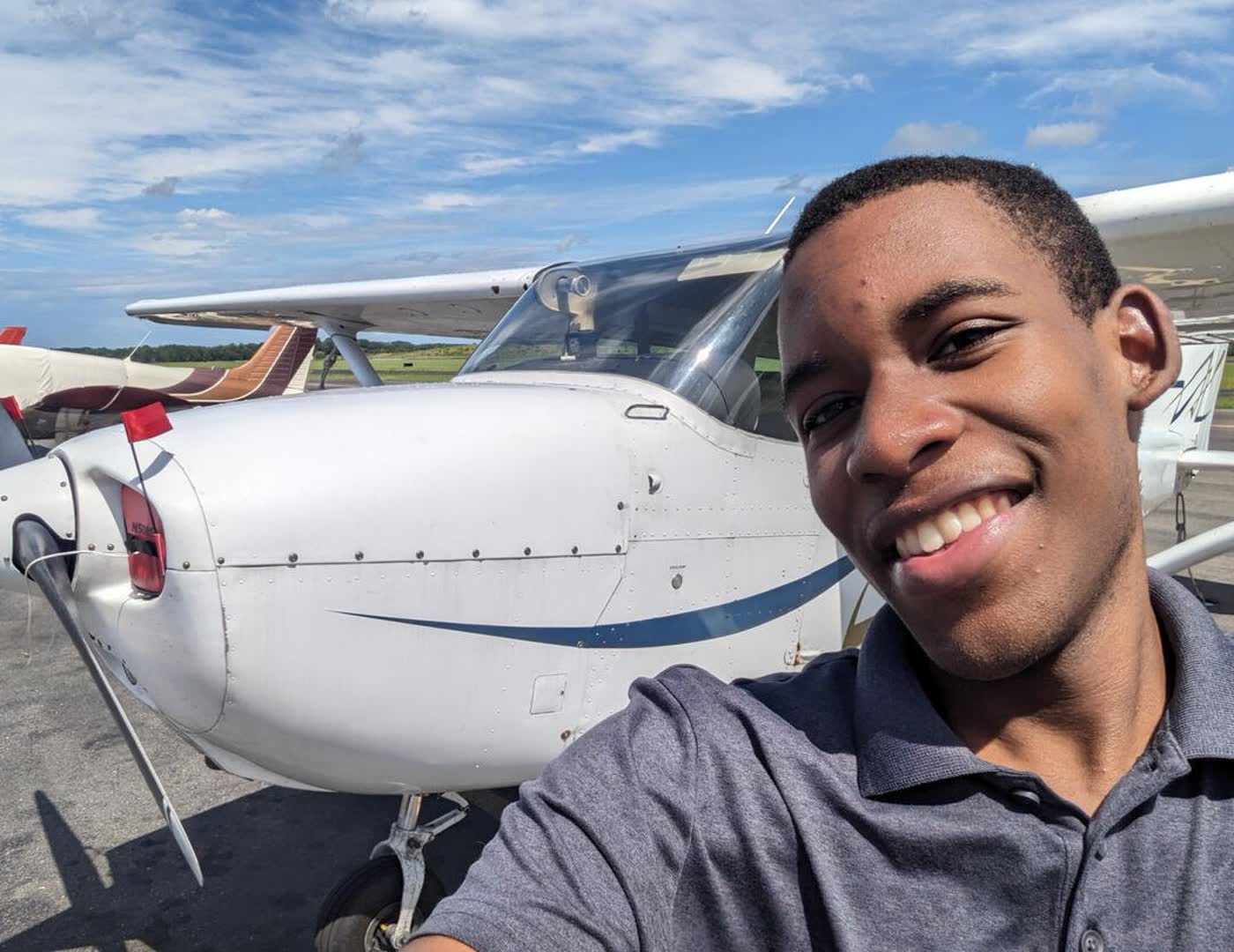
That class opened doors: the Carolina Panthers Stadium of the Future Challenge, internships at a NASCAR electronics manufacturer and at Keller Technology Corporation, a national award for the Automated Tardy Pass System, and my FAA student pilot license with a first solo flight at 16. Now I'm starting Electrical and Computer Engineering at NC State, with a Biomedical Instrumentation concentration.
"The best jobs are the ones you'd do for free," my engineering teacher said. Engineering isn't just something I enjoy. It's something I can build a career around, and get paid to love doing it.
My first PCB
During my internship at First Turn Innovations I learned more about circuit board design, got the design approved by several engineers, and my school purchased twenty of those boards, which are still being used today to teach students how to start programming with microcontrollers and electronics. I later used that same circuit to build the Automated Tardy Pass System. This is that board, in 3D. Drag to turn it; press Interactive view for full screen, then click a callout to fly the camera to that part.
Also built
Competition work, client work, and the things that started as curiosity. Captions are my own from the original site.
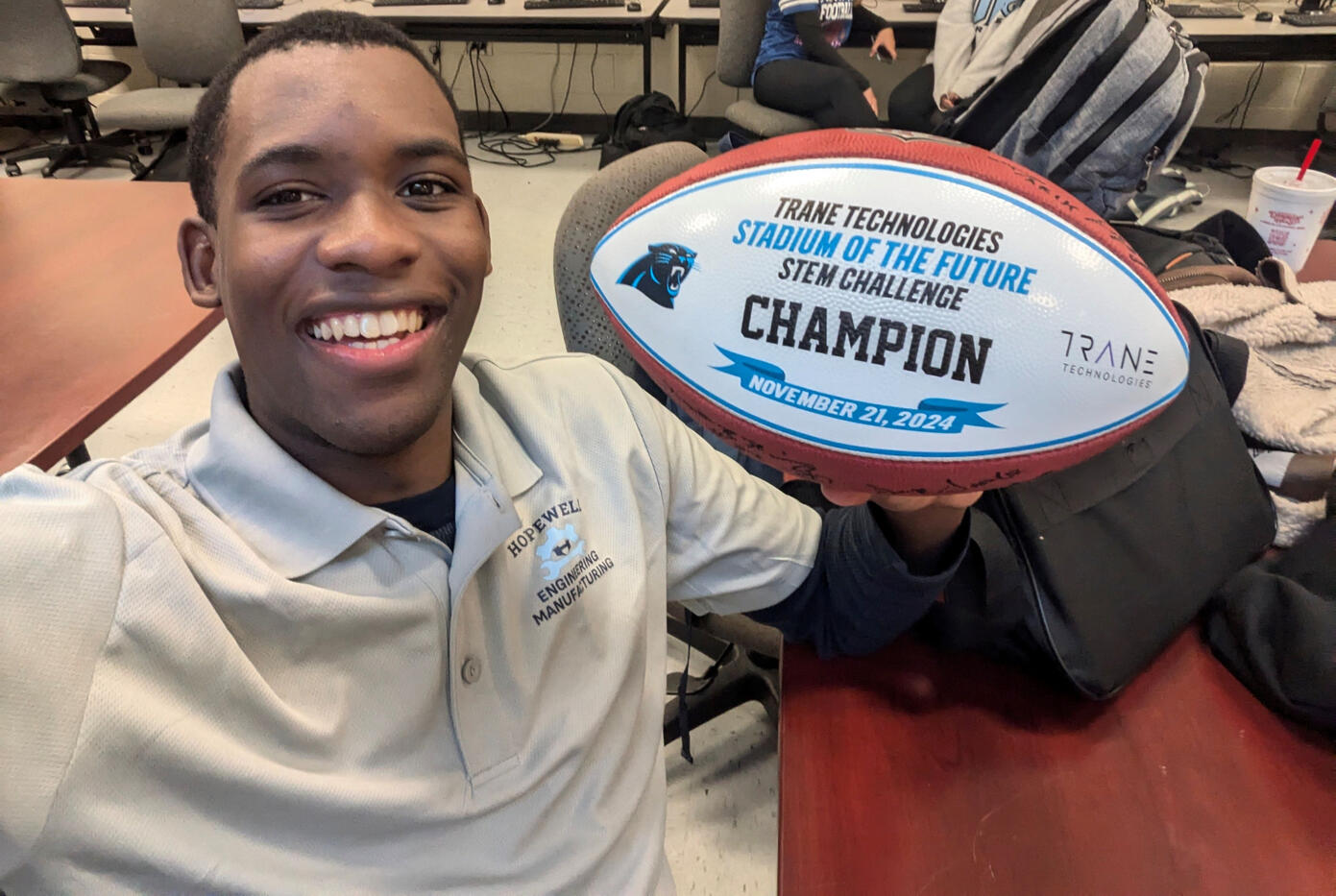
Panthers Stadium of the Future
A model stadium powered by the sun, with floodlights that turn to follow it. First in 2022 and 2024, second in 2023. About $13,000 to Hopewell in total.
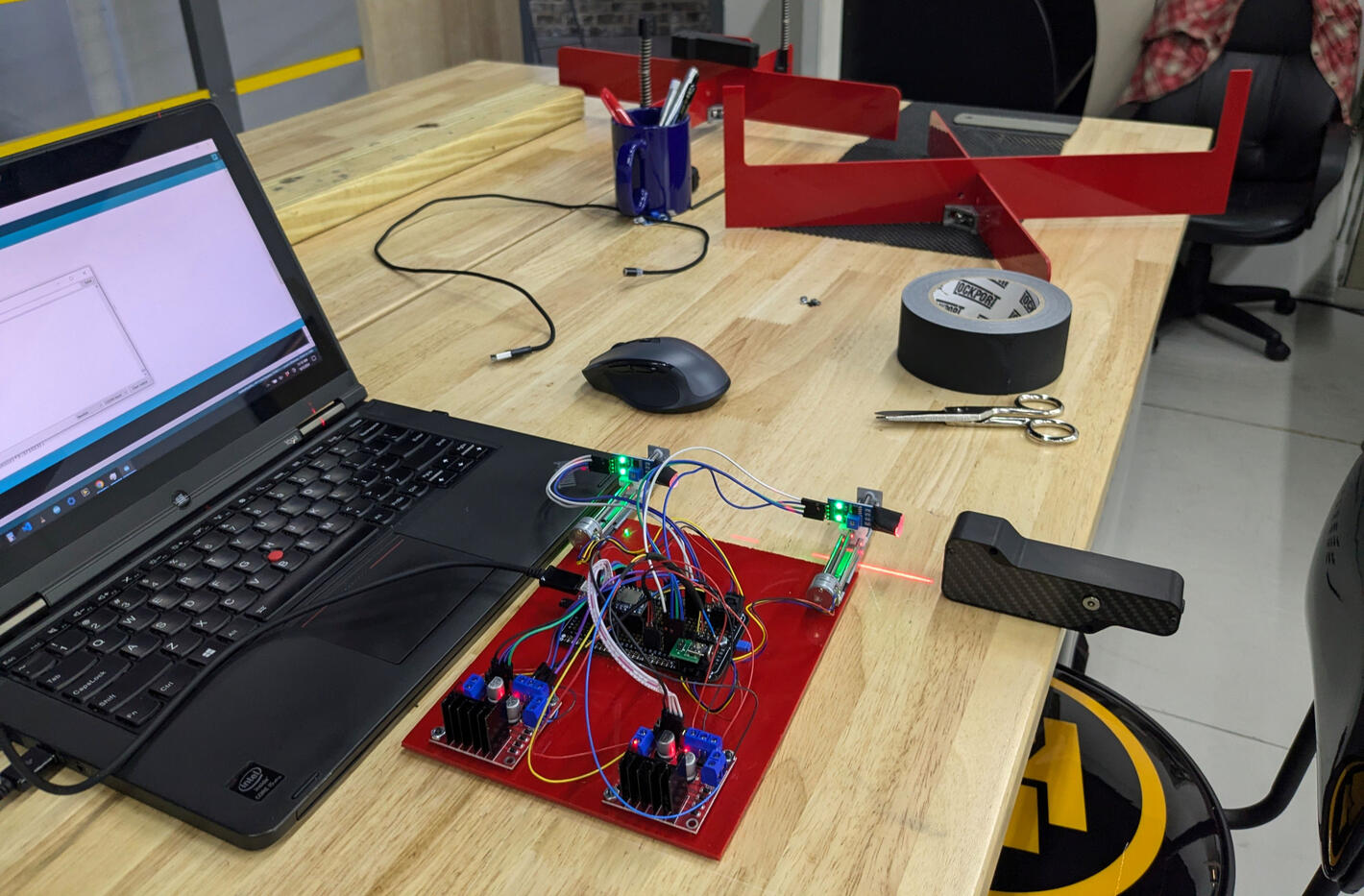
Custom laser ride height system
A laser system for measuring a race car's ride height precisely.
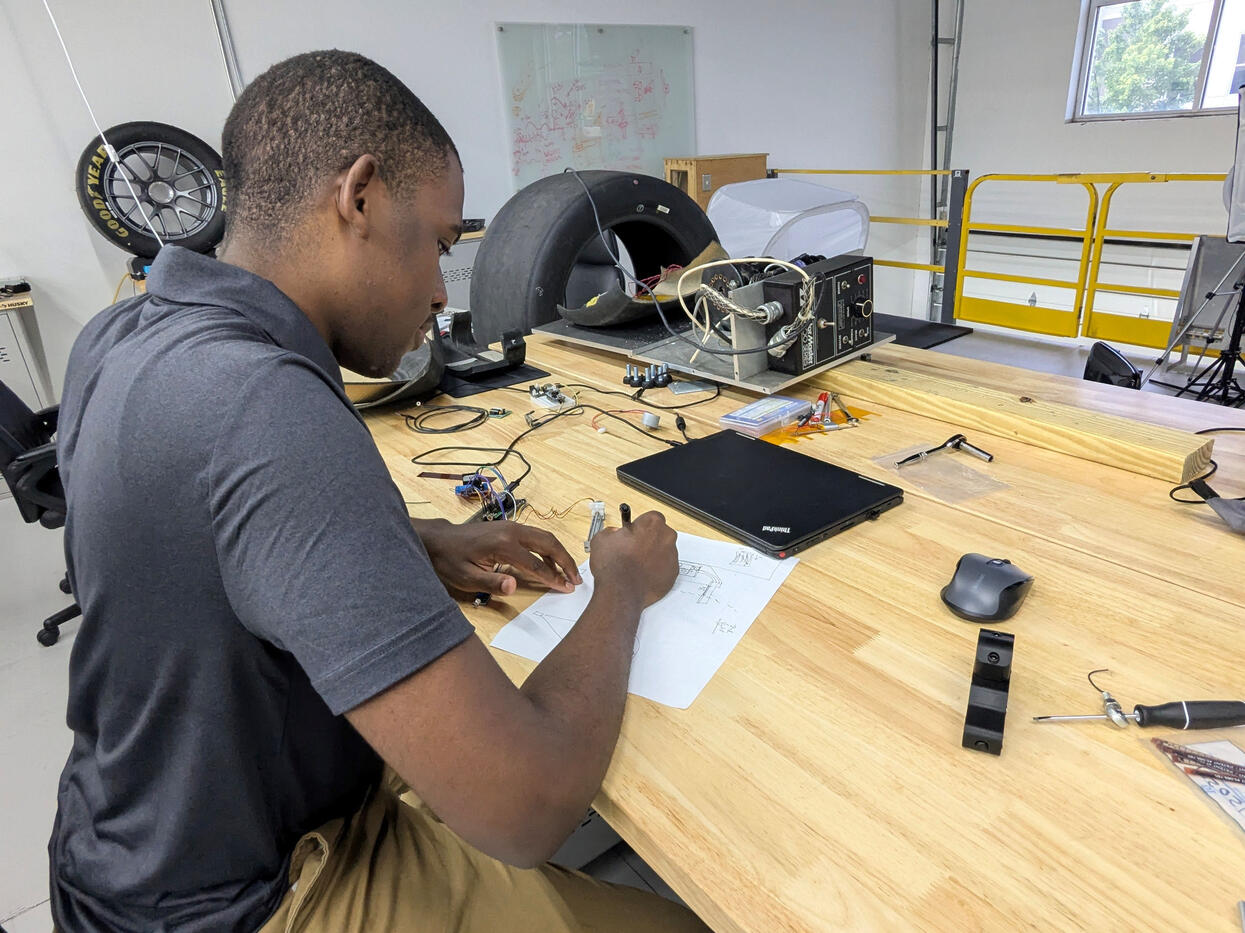
Tire contact patch sensor
A sensor that measures how a tire actually meets the track: the patch of rubber genuinely touching the surface.
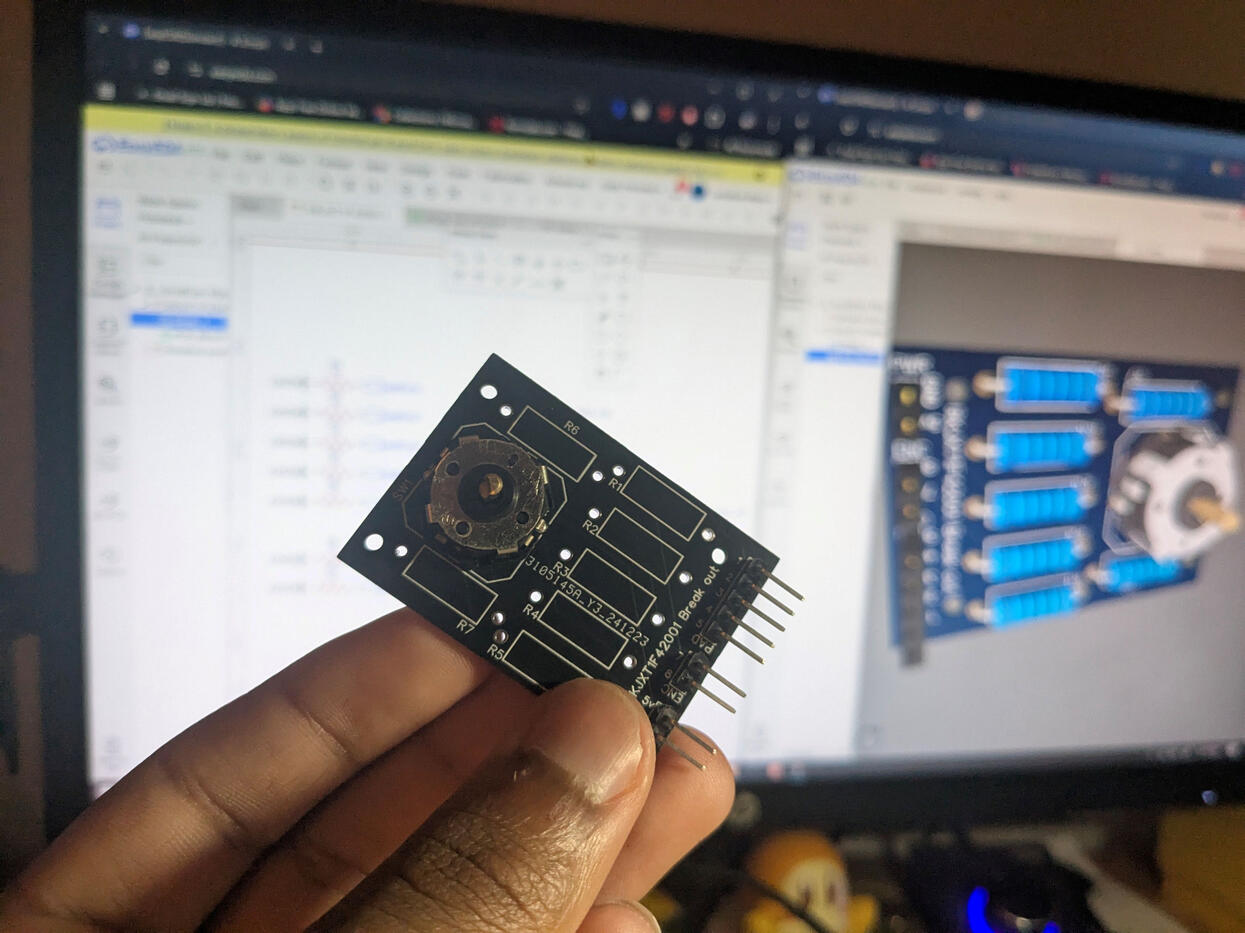
Designing custom circuit boards
Drawing the circuit, laying out the copper, and writing the software that lives on it. Built around ESP32, CH552 and nRF52.
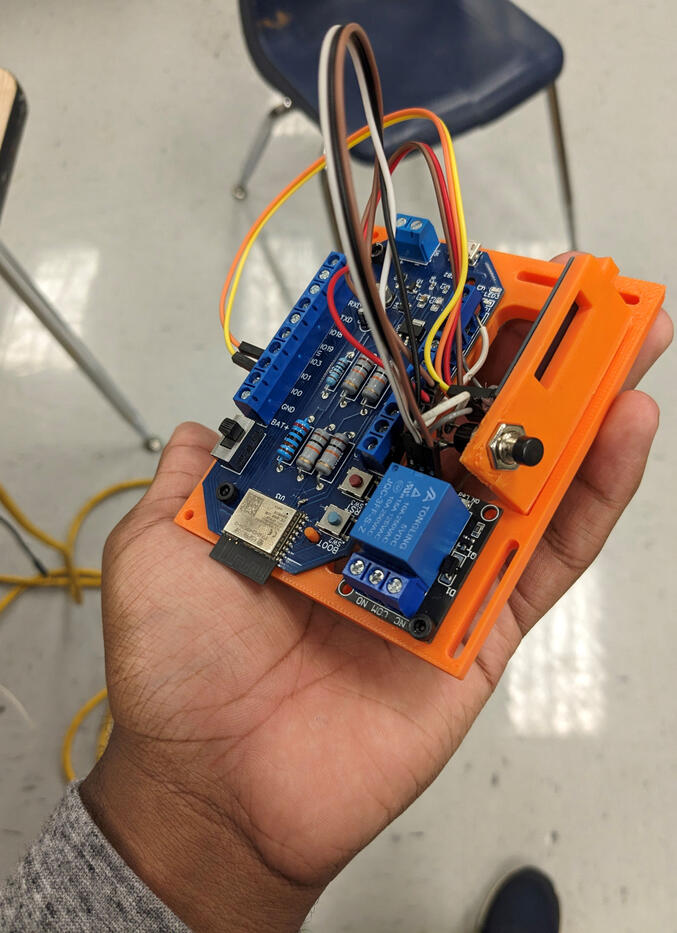
Motor control board
Custom designed PCB and a 3D printed case for motor control.
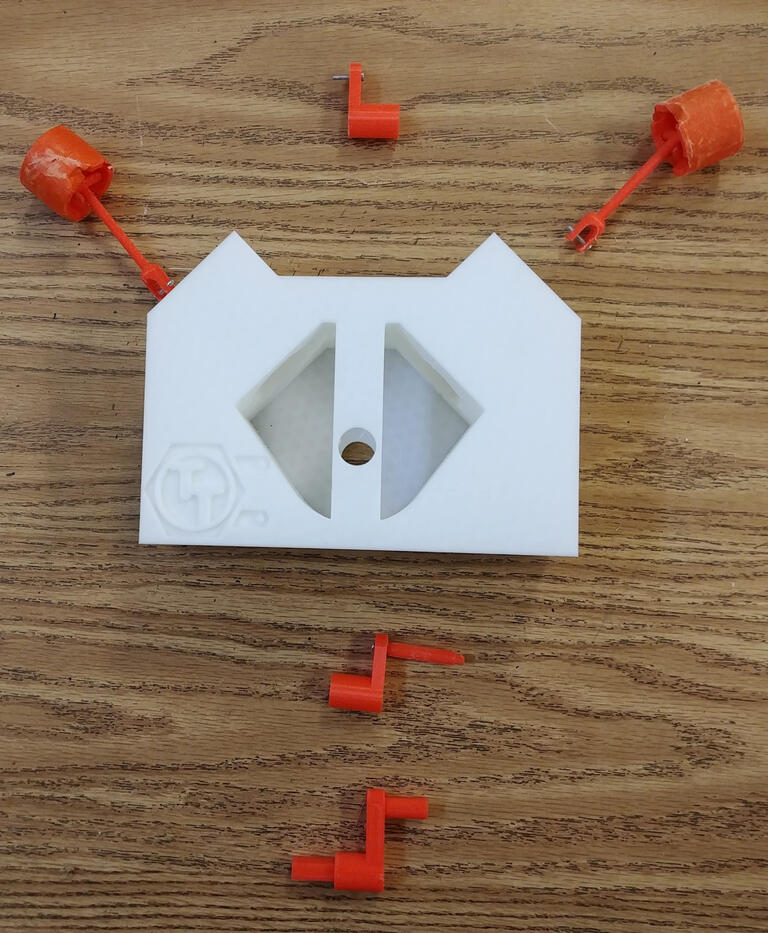
3D printed V2 engine
A working V2 engine modelled and printed in parts. An exercise in tolerance and moving assemblies.
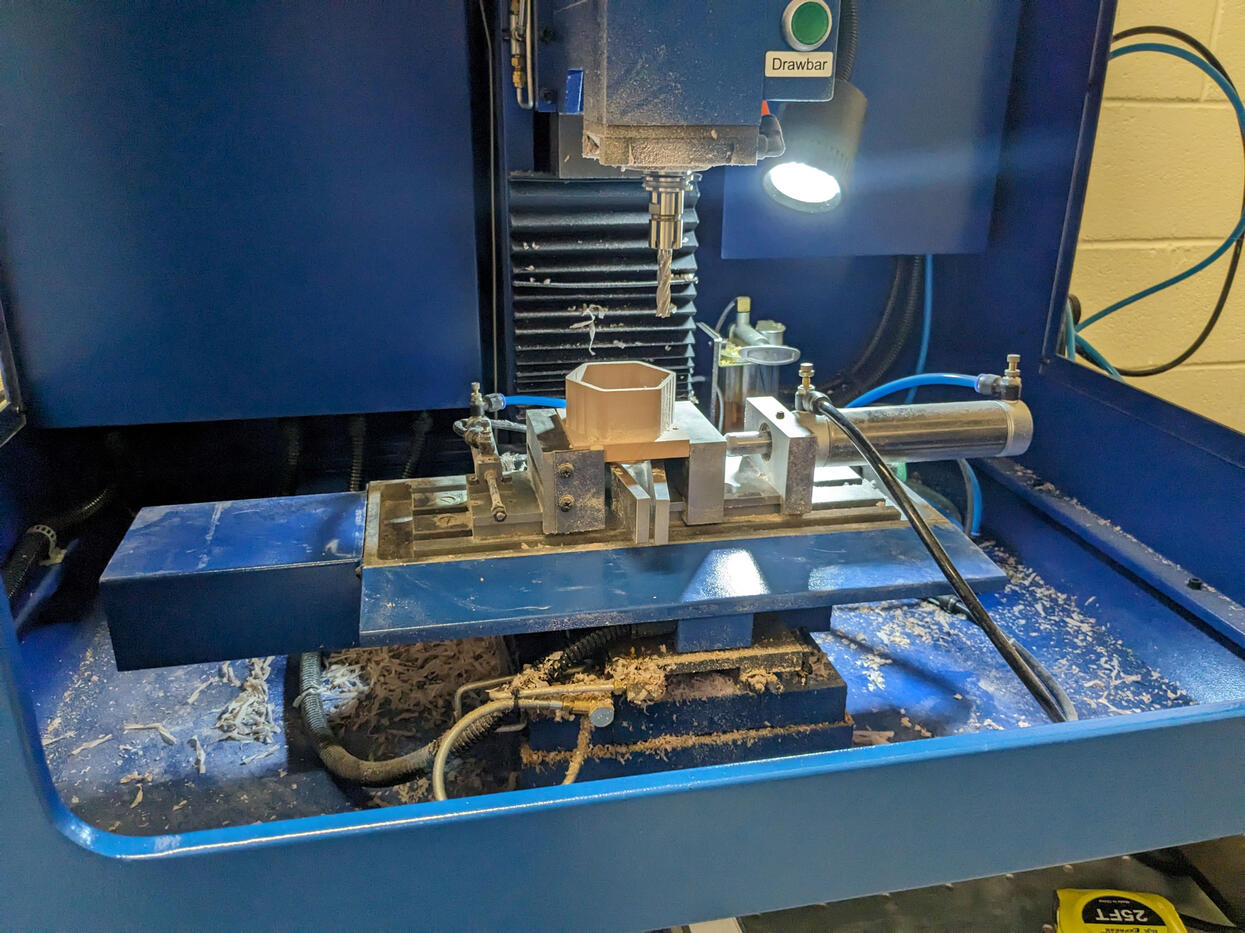
CNC and manufacturing
Milling, G-code and keeping the machines themselves running, which is most of the job. This one was the first success.
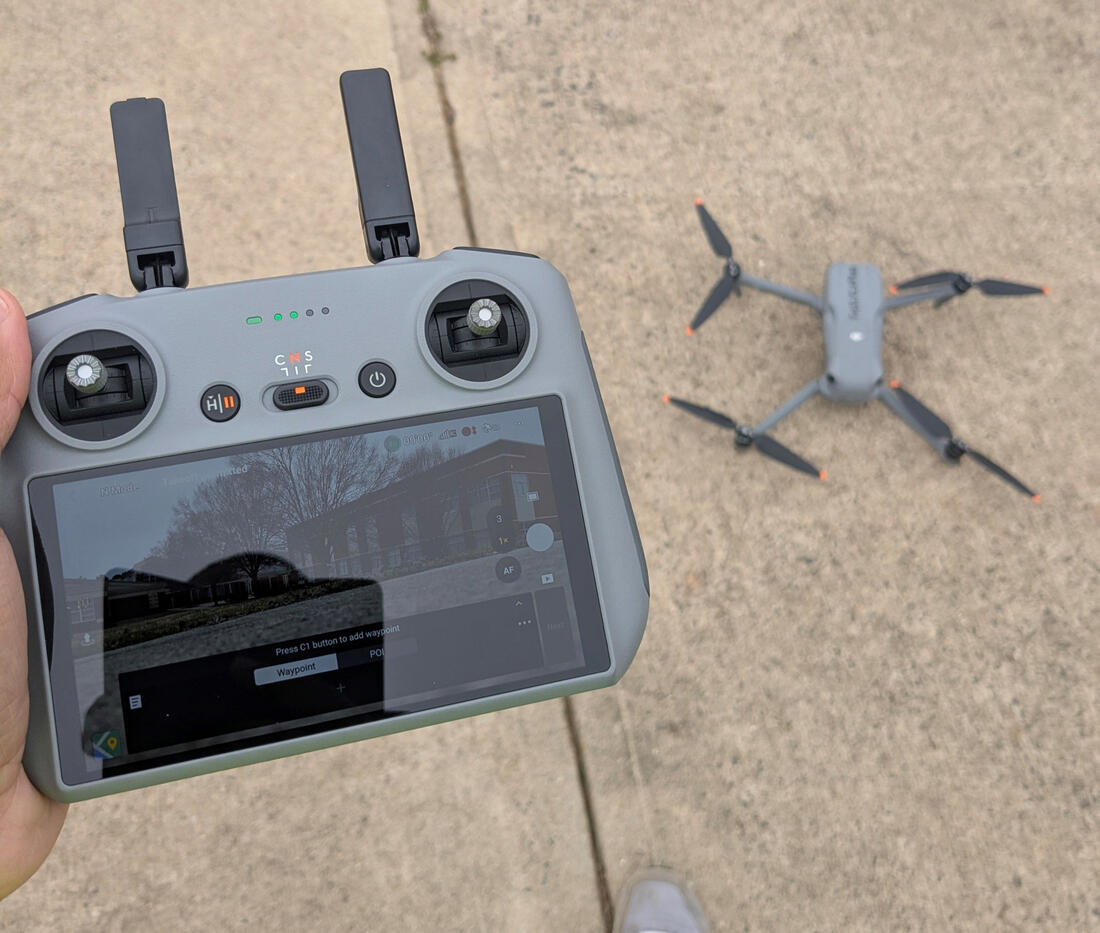
Hopewell drone program
One of the first four students to pass the FAA Part 107 exam. Helped build the club into a formal class, taught the FAA coursework, and spoke at the CMS Foundation luncheon.
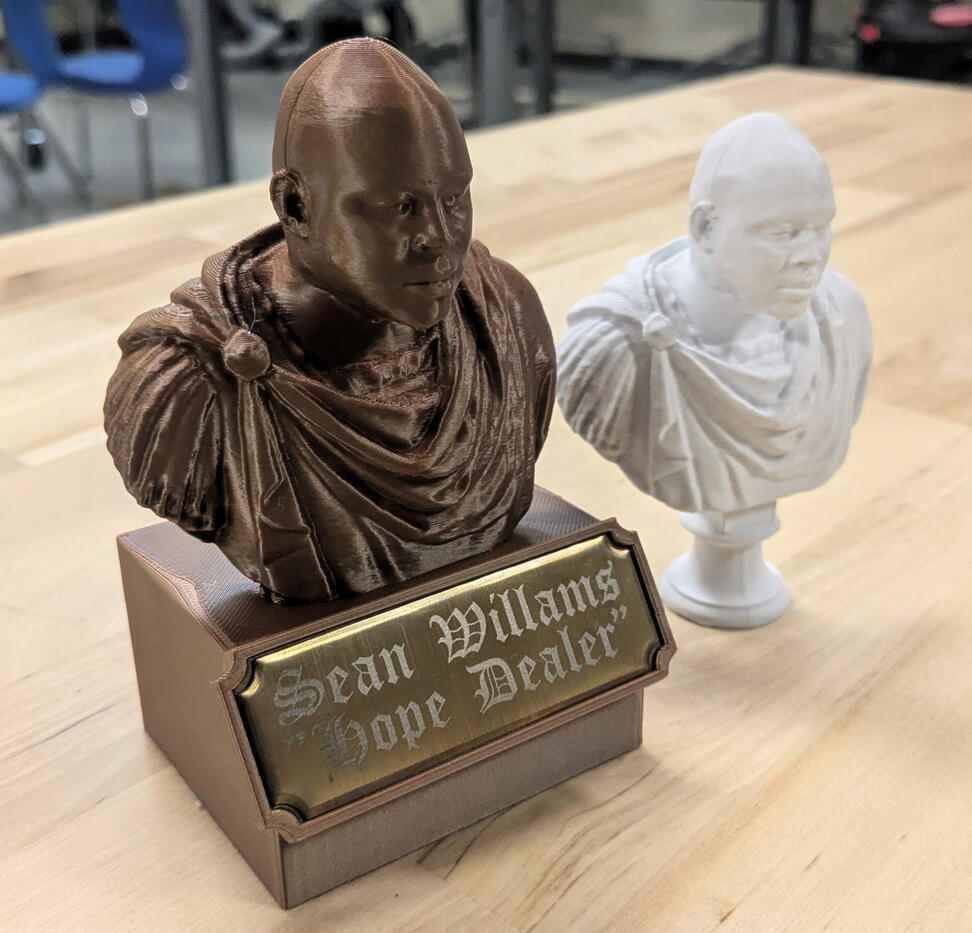
“Hope Dealer”
3D scanning and modelling for a customer, printed as a bust.
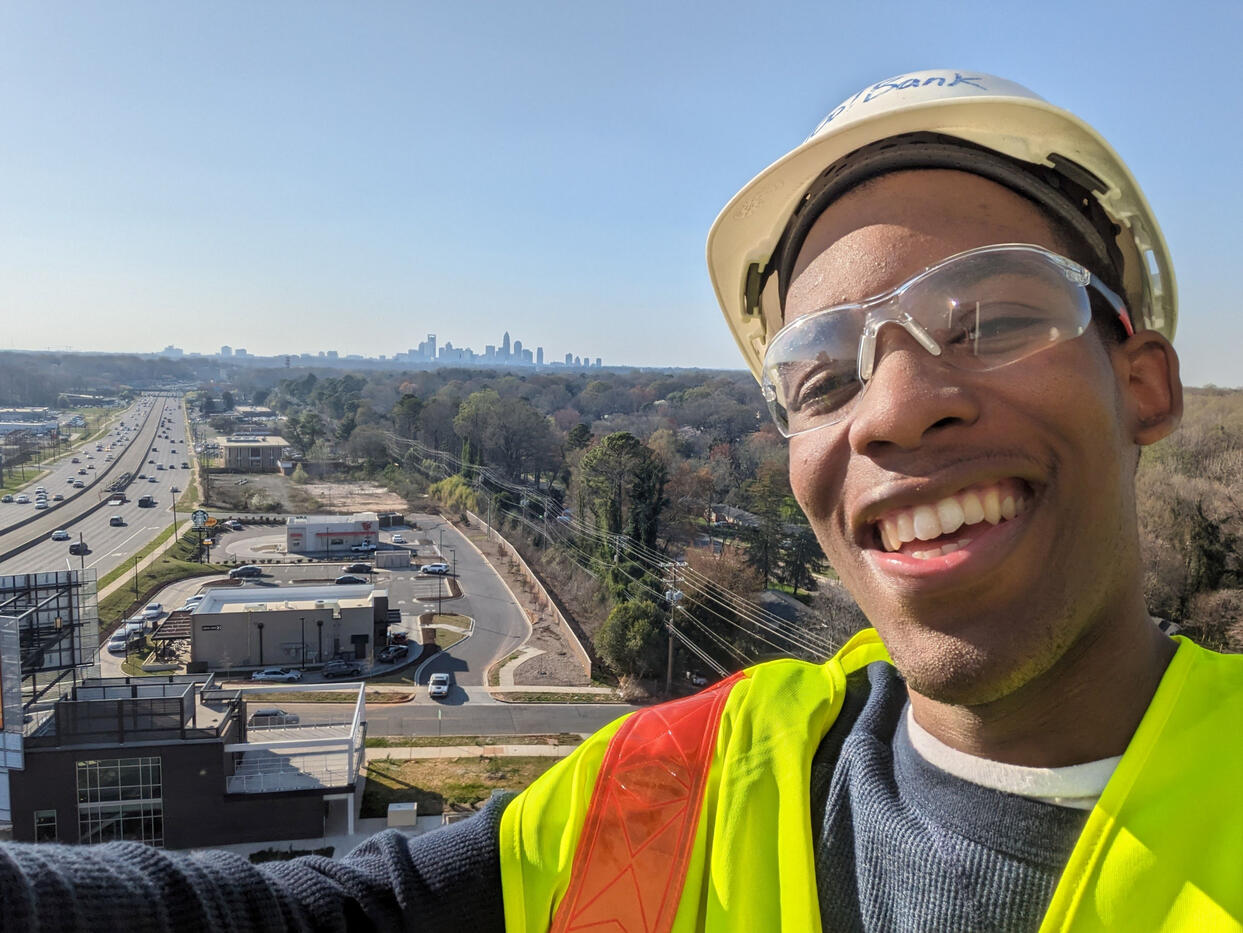
Surveying the Ervin Building
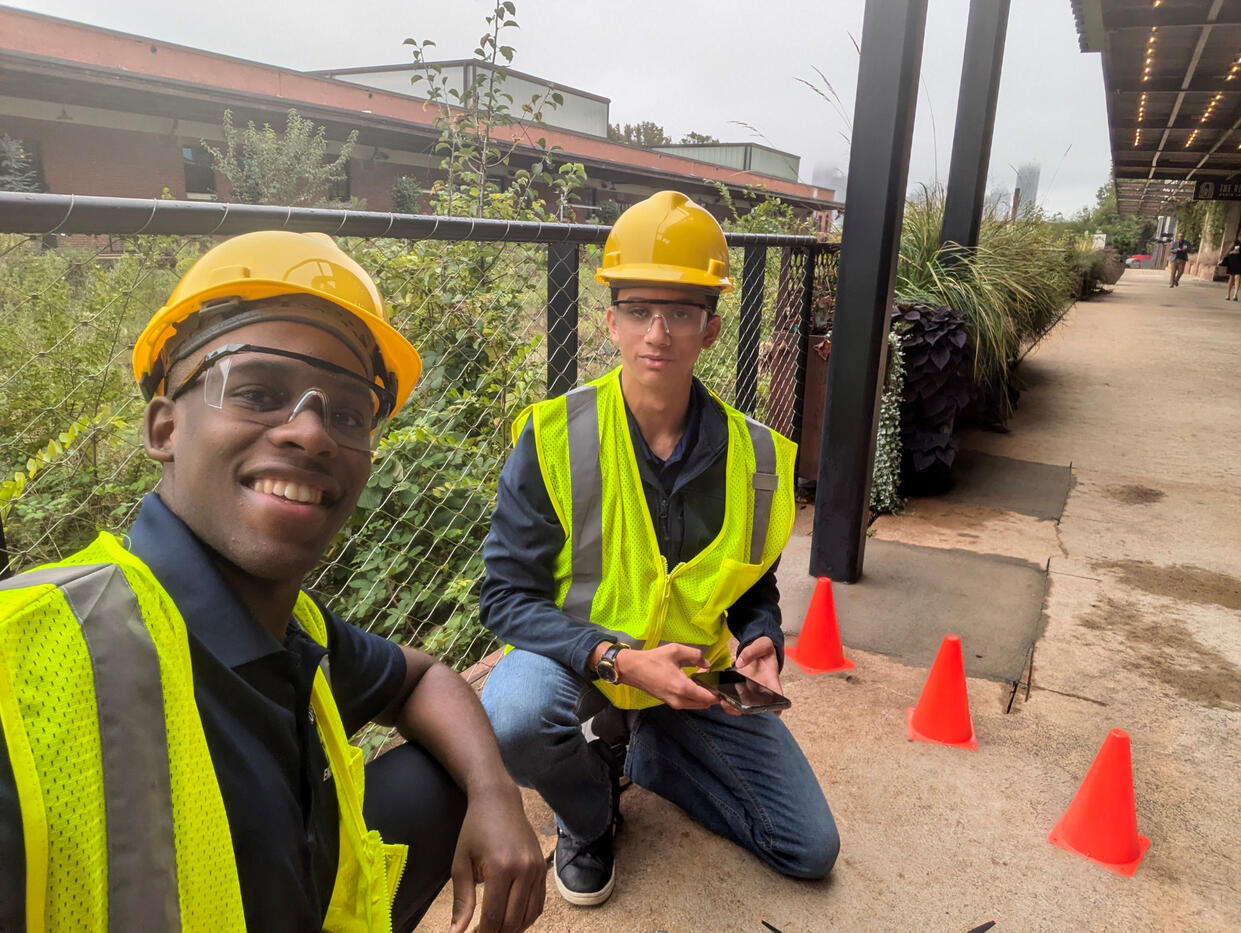
Site survey work for the ACE club project: architecture, construction and engineering, with mentors from the industry.
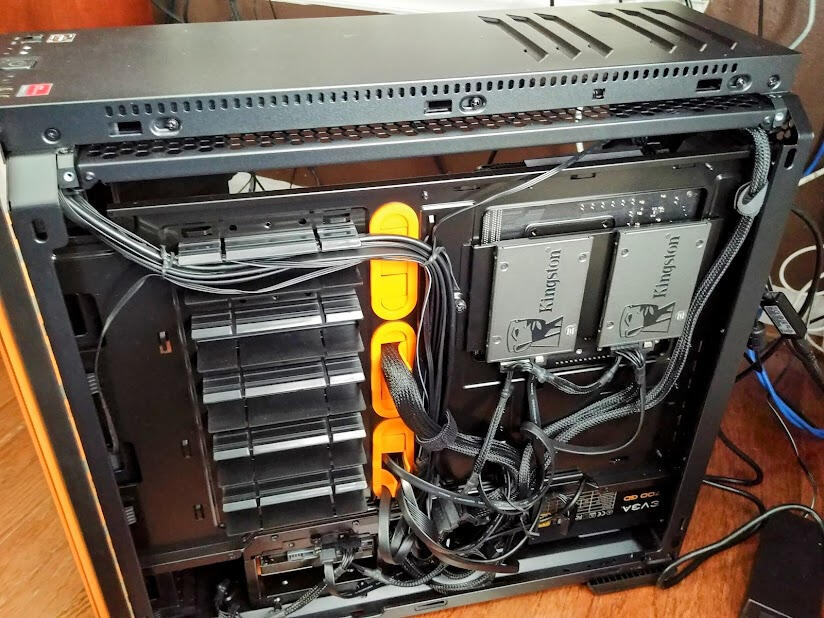
Building computers
Where a lot of this started. Taking machines apart to find out how they work, then putting better ones together.
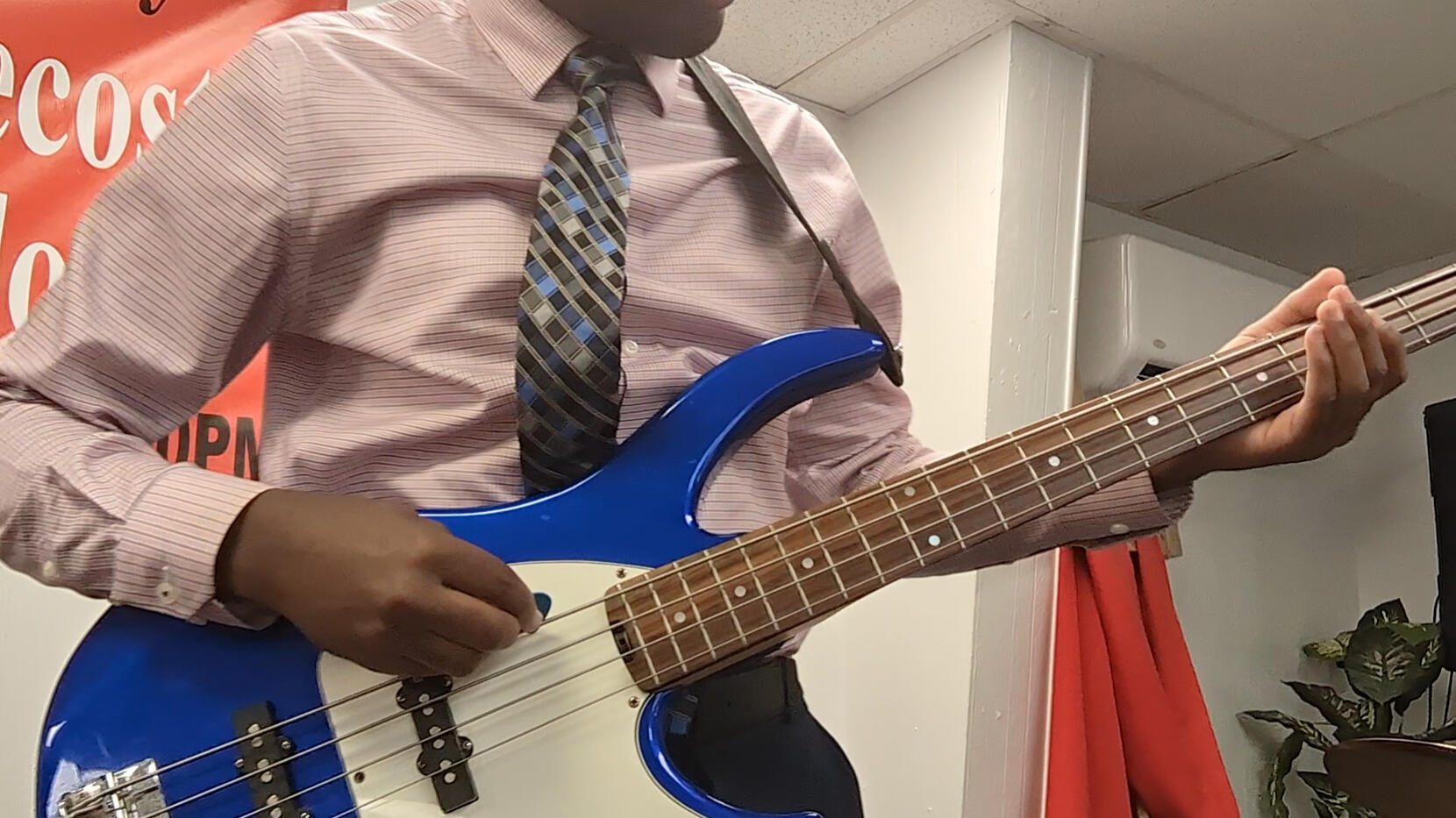
Bass and drums
Playing various instruments for my local church.