Automated Tardy Pass System (A.T.P.S.)
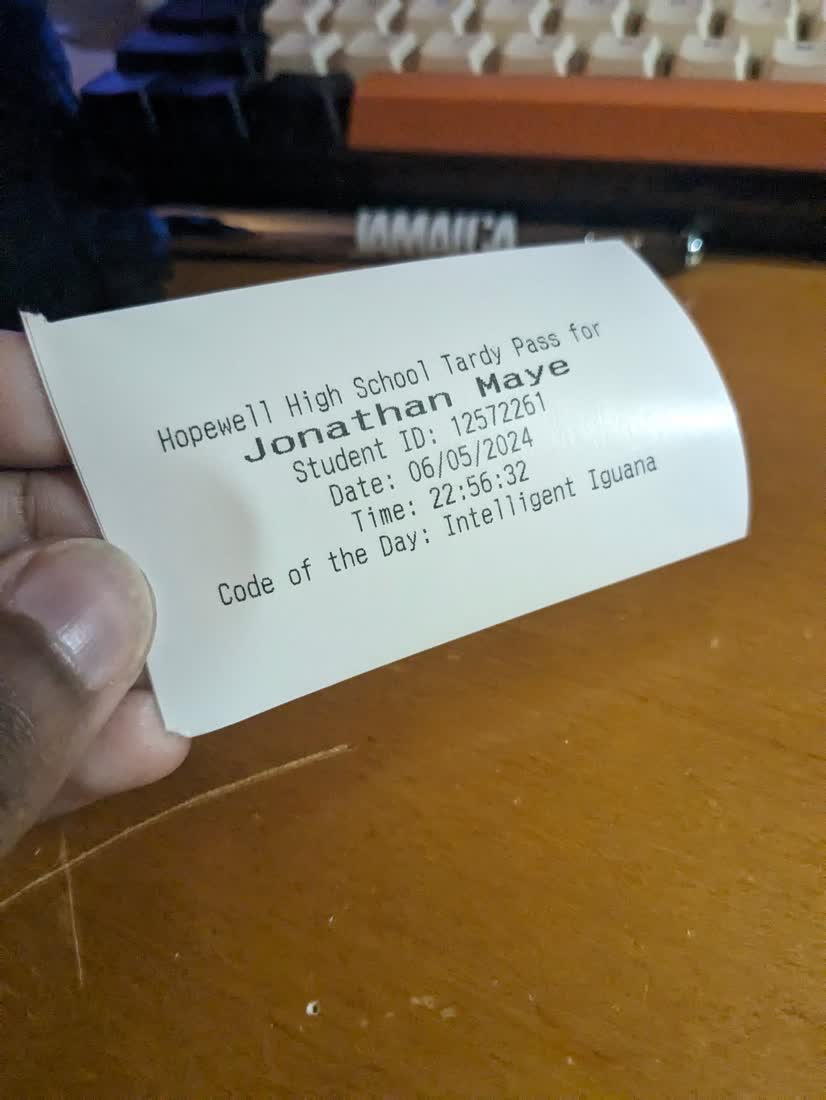
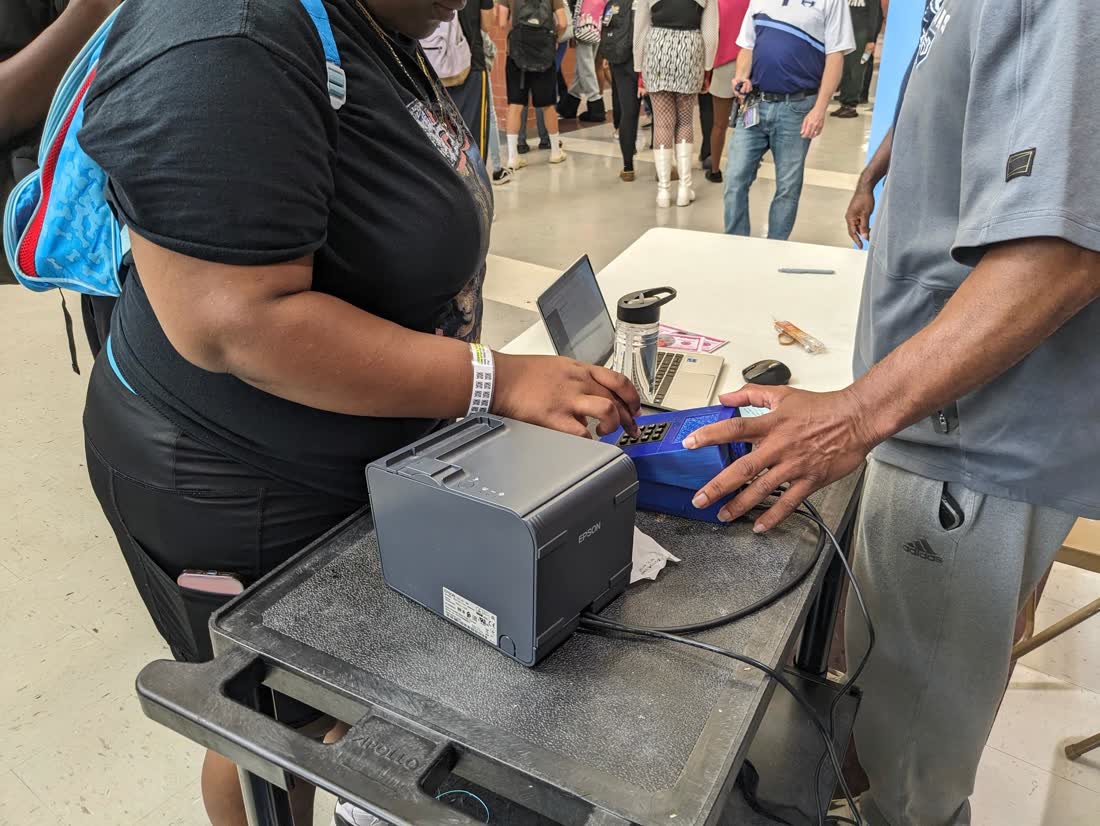
A kiosk that identifies the student, prints the pass and logs it, with no teacher in the loop.
Problem
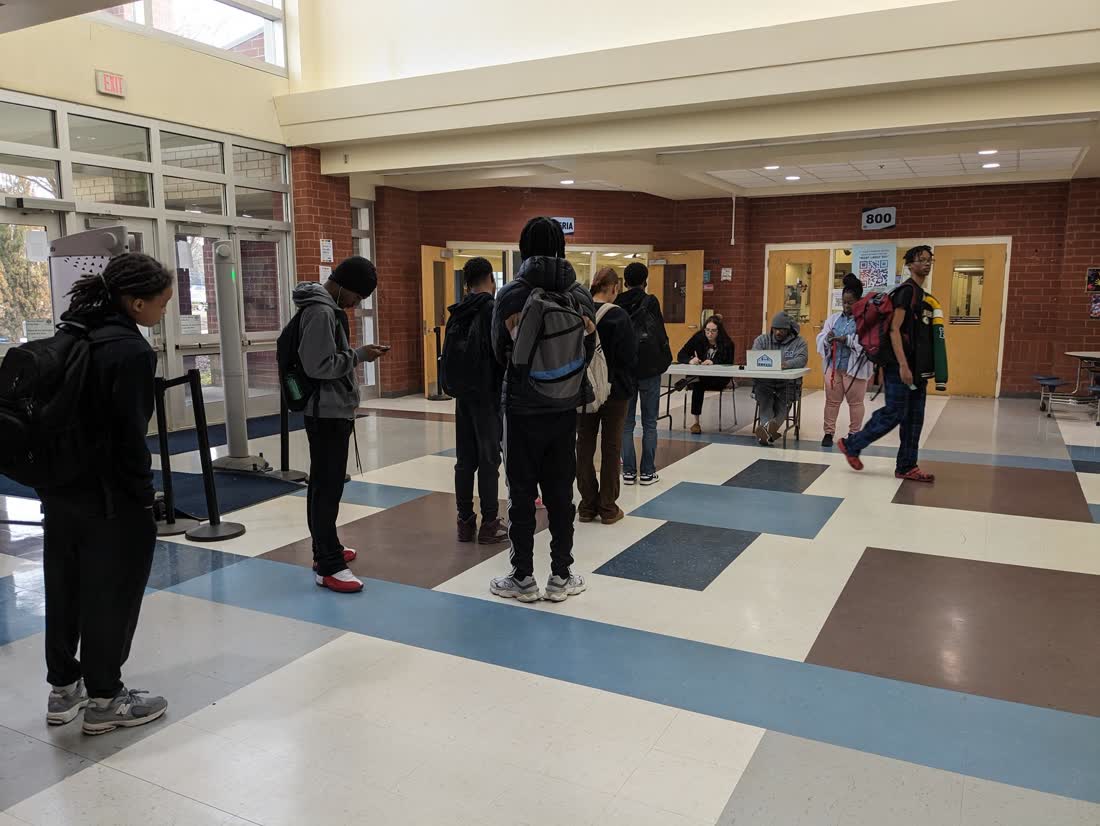
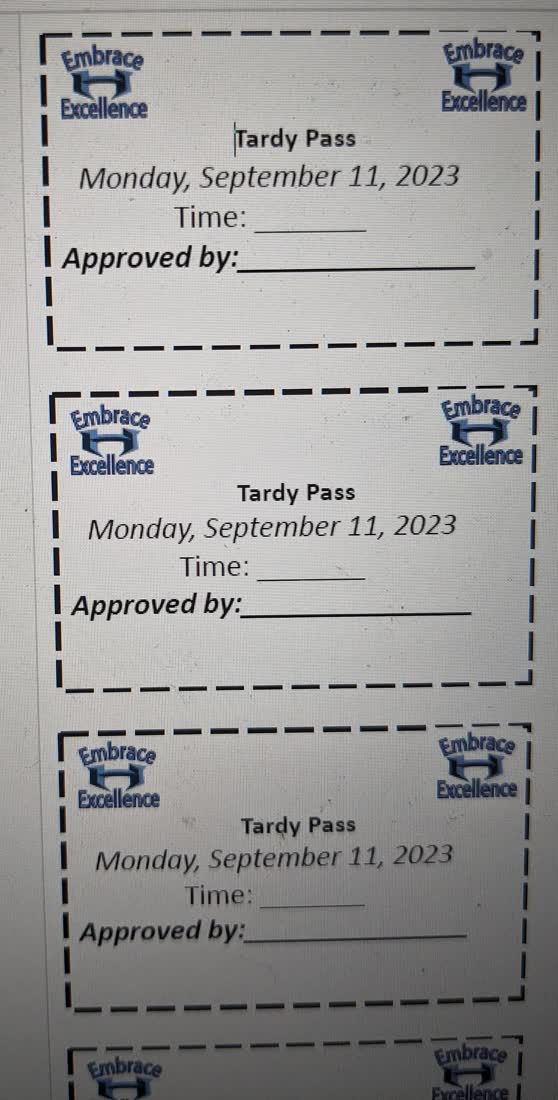
Hopewell staff were hand-writing over 350 tardy passes a day. Every one of them cost instructional time at the classroom door and administrative time afterwards, and the paper record was almost impossible to analyse.
The school needed the process automated, but any solution that still required a member of staff to operate it would not have solved the actual problem.
Design statement
Develop an automated kiosk that identifies students, prints tardy passes and logs the data to a secure database, reducing manual labour, maintaining student data security, and improving the efficiency of the whole late-arrival process.
Criteria & constraints
- Ease of use, Plug-and-play for staff, with minimal maintenance.
- Autonomy, Fully automatic operation. Refilling the paper roll is the only routine task.
- Compatibility, Works with the existing CMS and Google Cloud APIs.
- Low cost, Under $80 per kiosk, so the school can deploy more than one.
Process
Prototype. The first version ran on a desktop in Python, pulling IDs through the Google Sheets API and driving a Dymo label printer. It proved the flow, but it tied up a computer.
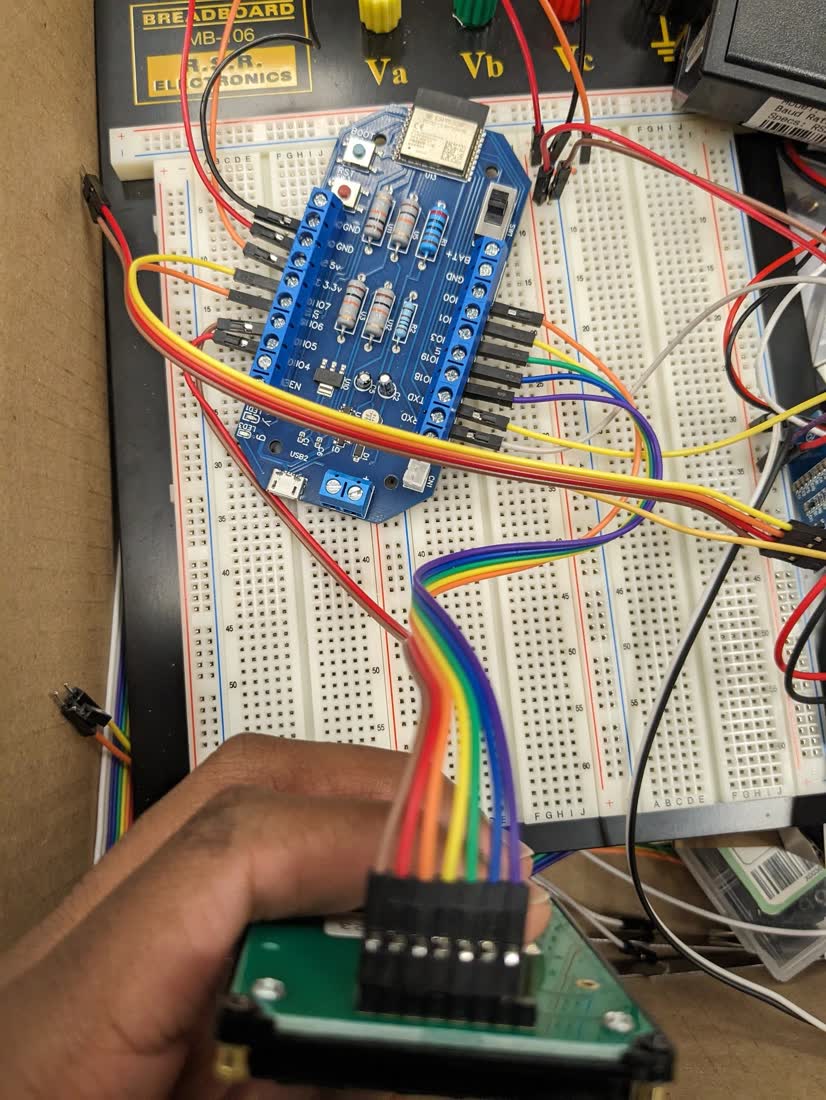
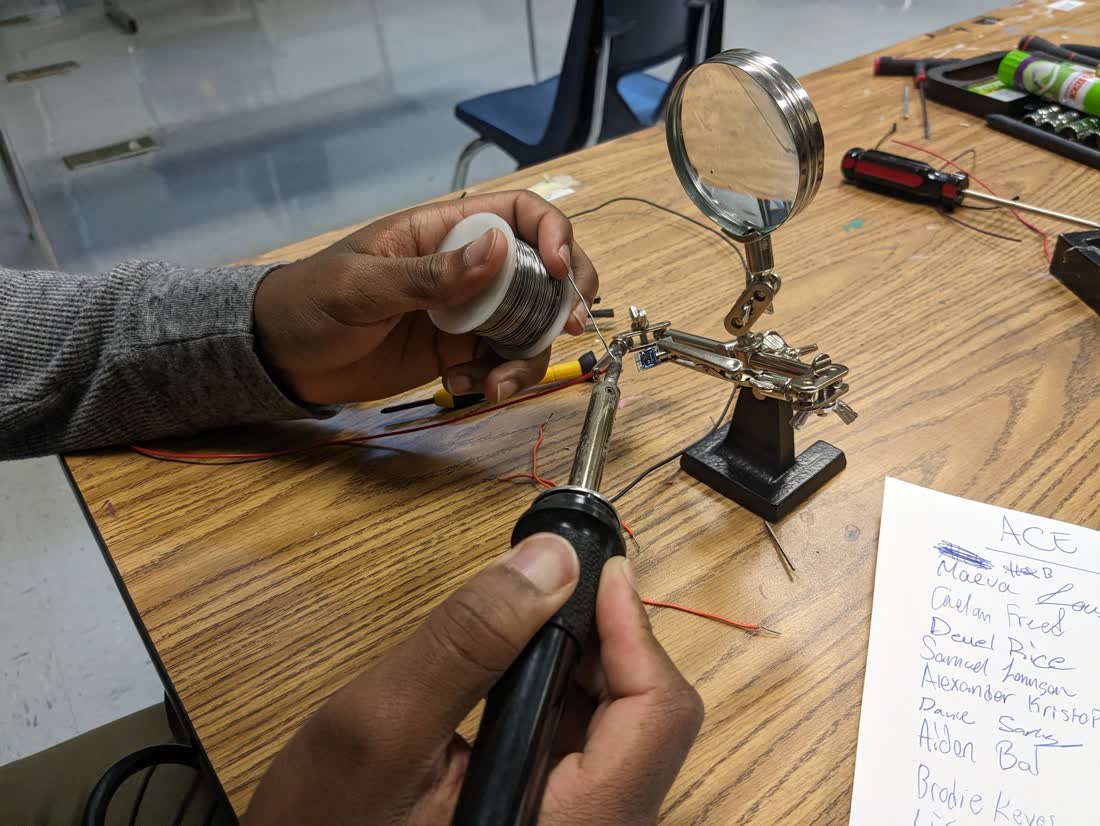
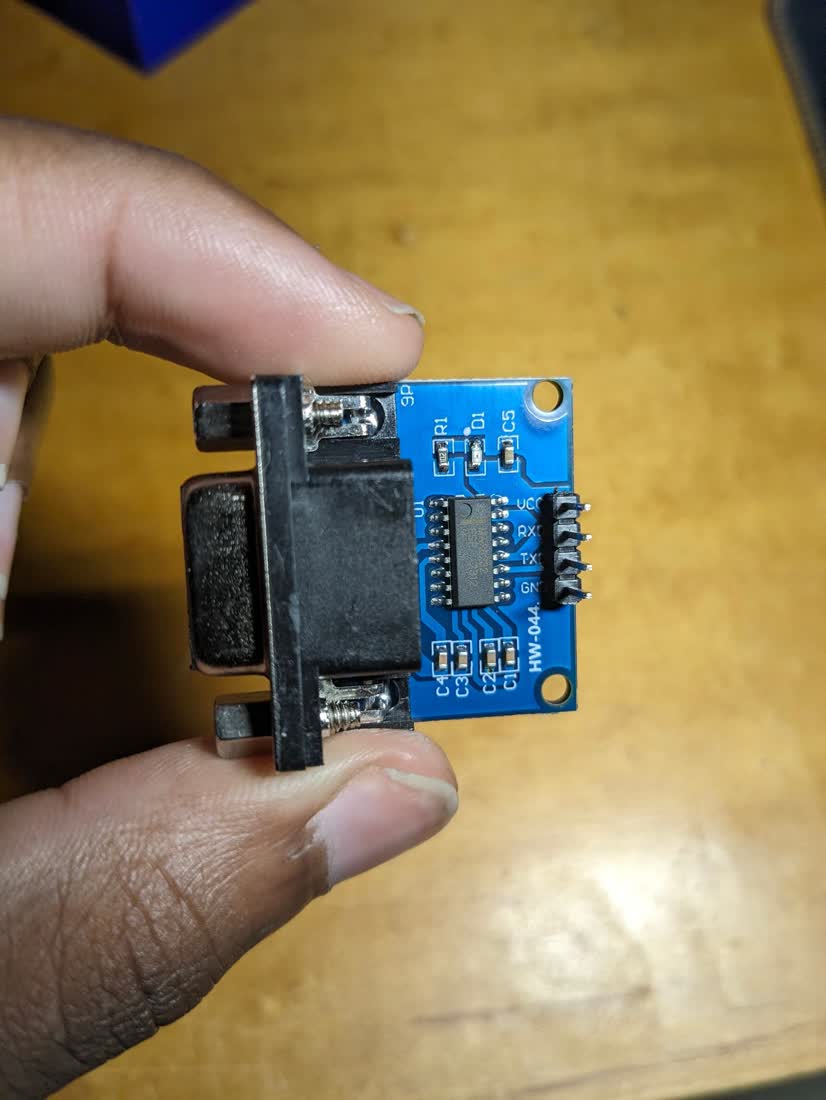
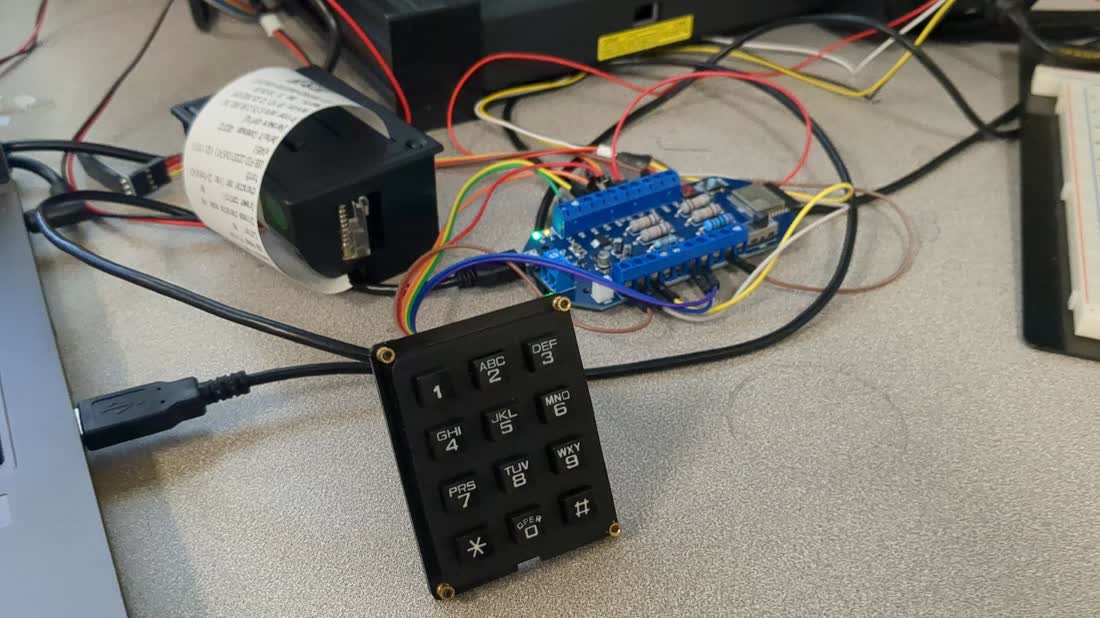
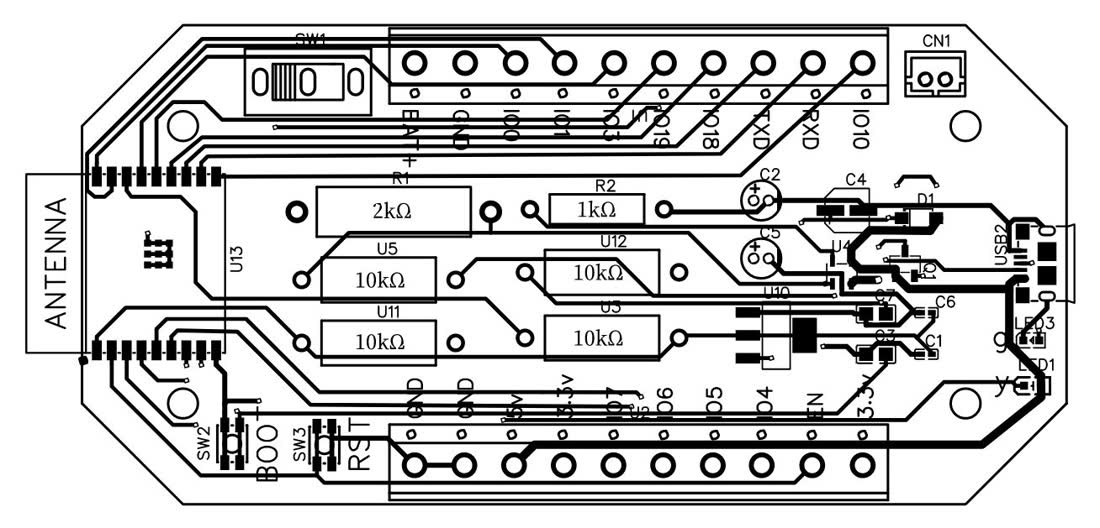
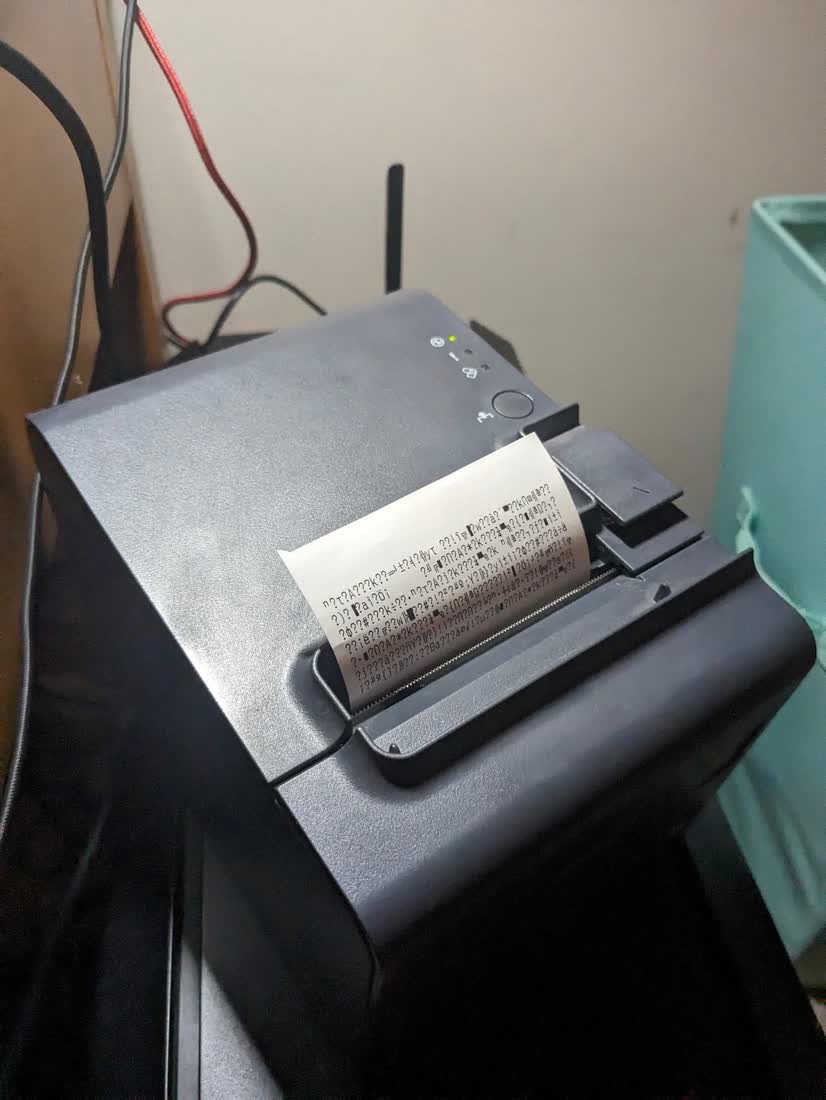
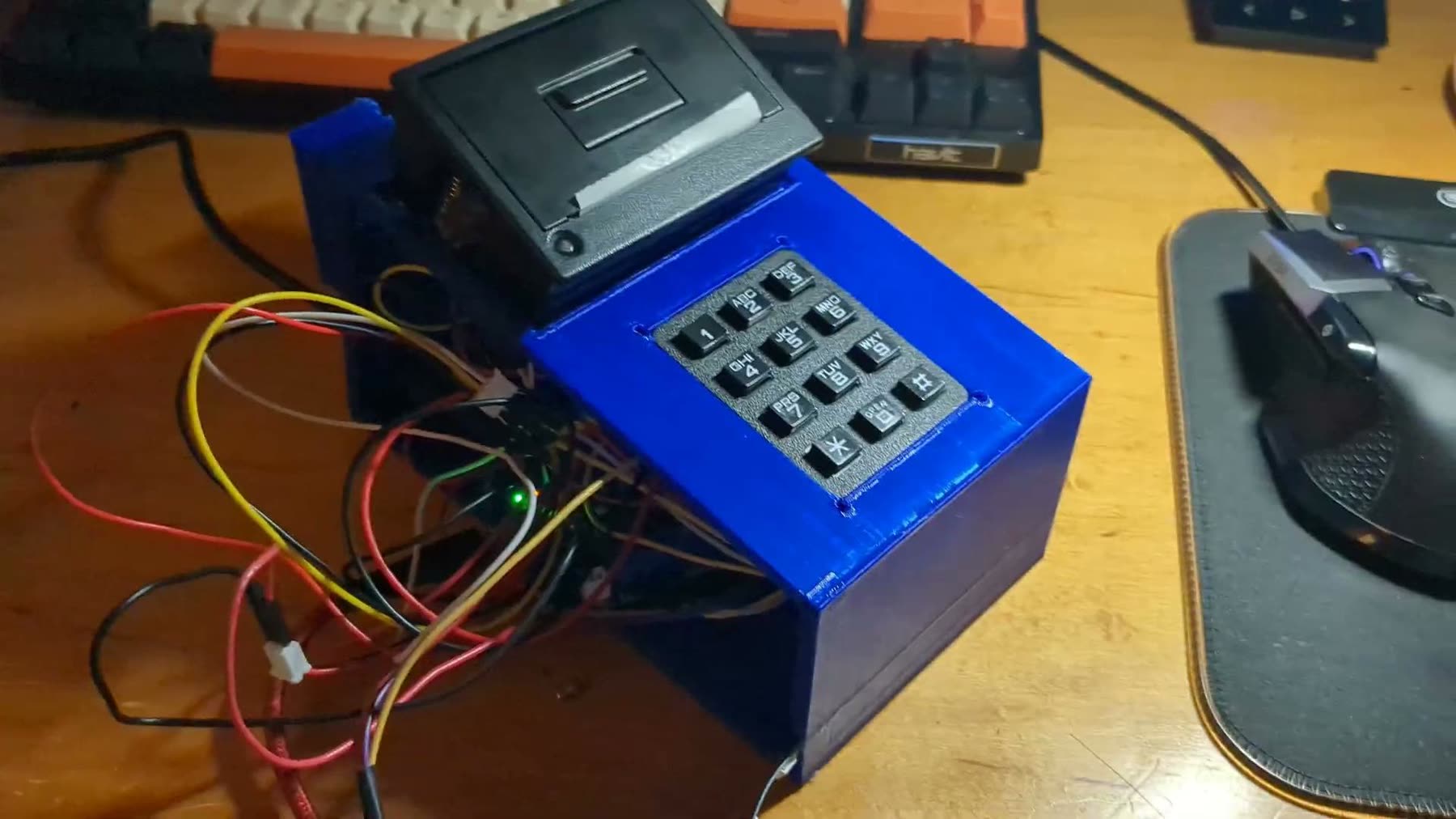
Going standalone. I moved the whole system onto an ESP32-C3 on a custom PCB handling WiFi, keypad input and printer control. A UART-to-RS232 converter drives a TTL thermal receipt printer, chosen for low cost and simplicity. RGB LEDs signal pass, fail and error.
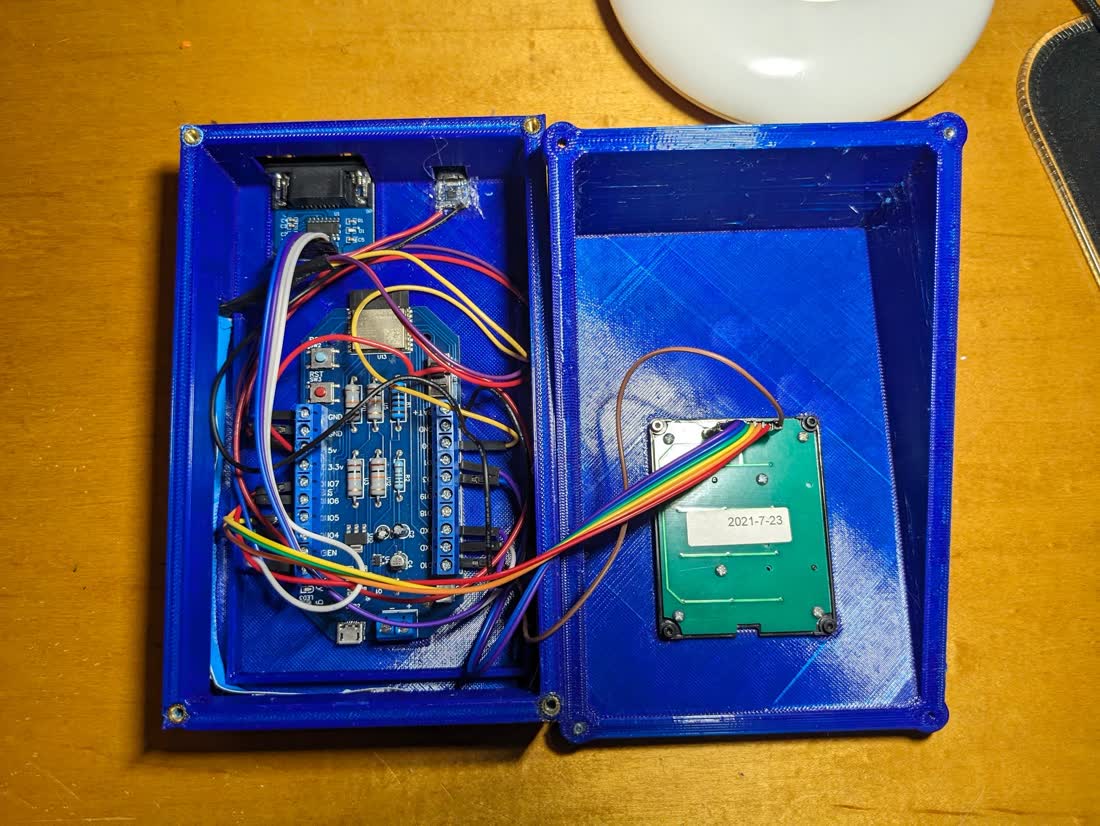
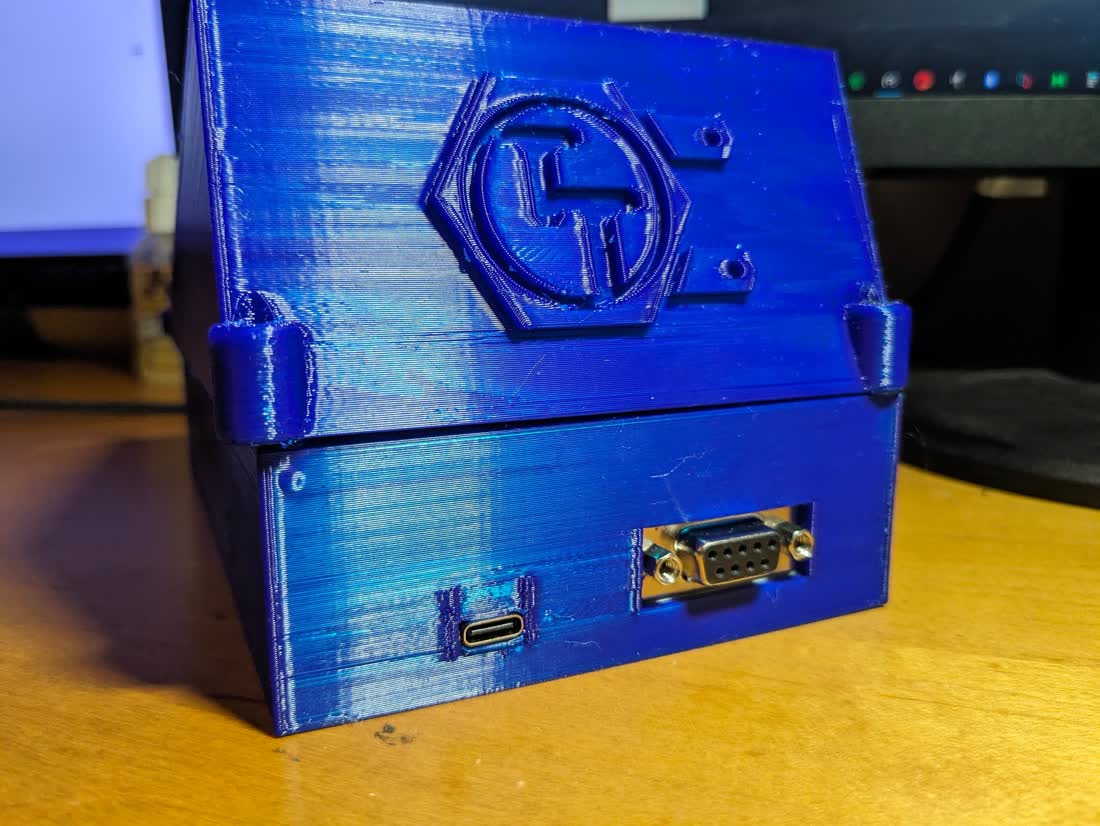
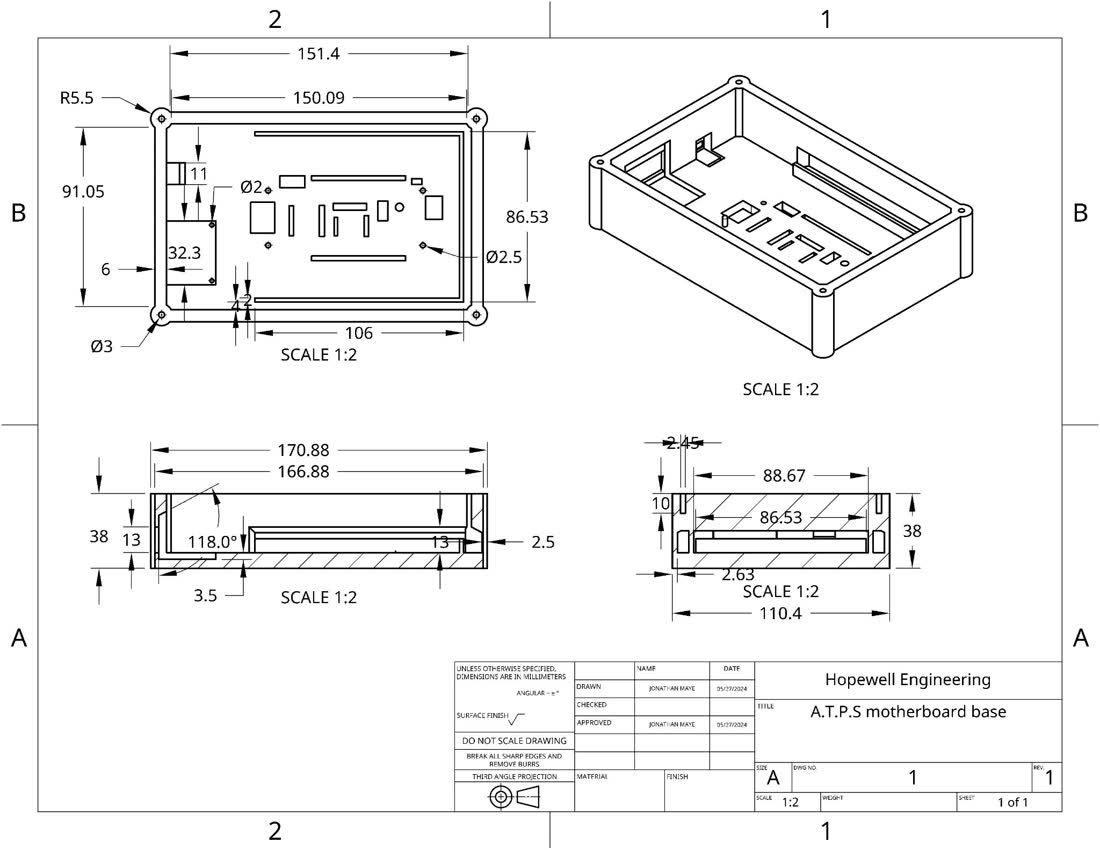
Enclosure. Three iterations of a 3D-printed enclosure before the stability and reach were right for a student walking up to it in a hallway.
Reliability. The student database is cached locally as CSV so the kiosk keeps working when the network does not, refreshed weekly through the Google Cloud API, with real-time logging back to the administrative spreadsheets. The data path was designed so a PowerSchool API integration could drop in later.
Results
The failed lookups were gaps in the student database rather than faults in the kiosk, the hardware itself sustained continuous operation below a 2% error rate. The design is modular: it works with any RS232 printer through the adapter.
Evaluation
The prototype met every design criterion. It reduced the administrative workload, ran autonomously, stayed compliant with CMS data-handling policy, and remained expandable over WiFi. It went on to receive the PLTW Community Impact Award, a national recognition for engineering work with impact beyond the classroom.
Reflection
If I started again I would specify a larger, higher-capacity printer to extend roll life and cut the one remaining manual task. The next version gets a touchscreen interface in LVGL so the tardy count can be shown directly, and the administrative side could grow into a dashboard that tracks trends across a semester.
This project is where embedded systems, PCB design, firmware, database management and cross-protocol communication stopped being separate subjects for me.
Project PDF
The full design brief and portfolio, as submitted.
Build log
Photographs from the project portfolio.