Filament Respool System (F.R.S.)
Transferring filament between incompatible spools, so usable material stops being thrown away.
Problem
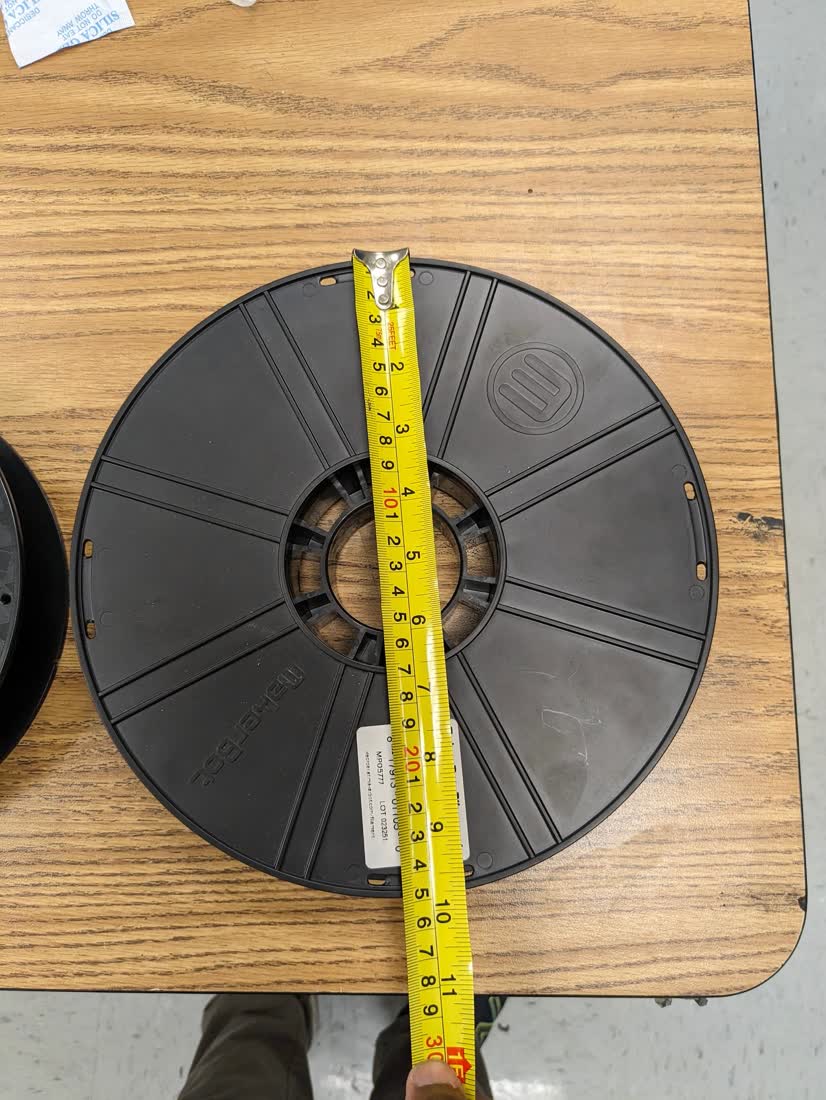
The 3D printers at Hopewell would only accept certain filament spools. That limited which materials and colours the lab could actually use, and meant perfectly good filament on the wrong spool went to waste.
Respooling by hand worked, but it was slow enough that nobody did it.
Design statement
Design an automated system that transfers filament between incompatible or depleted spools so it can be reused, increasing both efficiency and sustainability in the lab.
Criteria & constraints
- Ease of use, Anyone in the lab can run it without training.
- Speed, Fast enough that respooling is worth doing.
- Compatibility, Handles the range of spool types the lab actually has.
- Reliability, Compact, durable, and safe to leave running.
Process
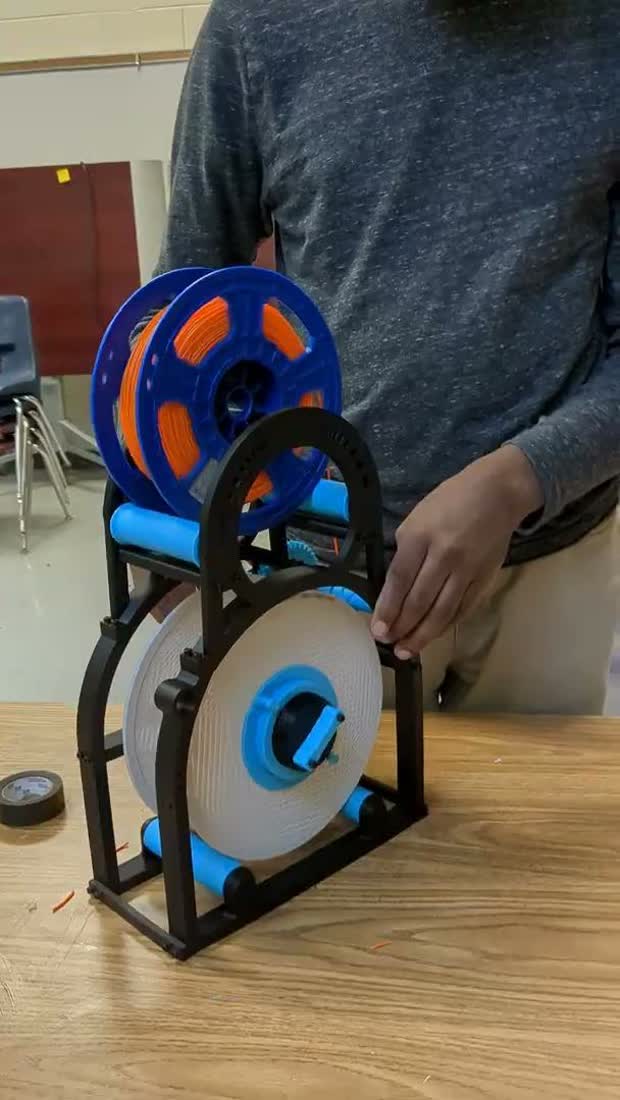
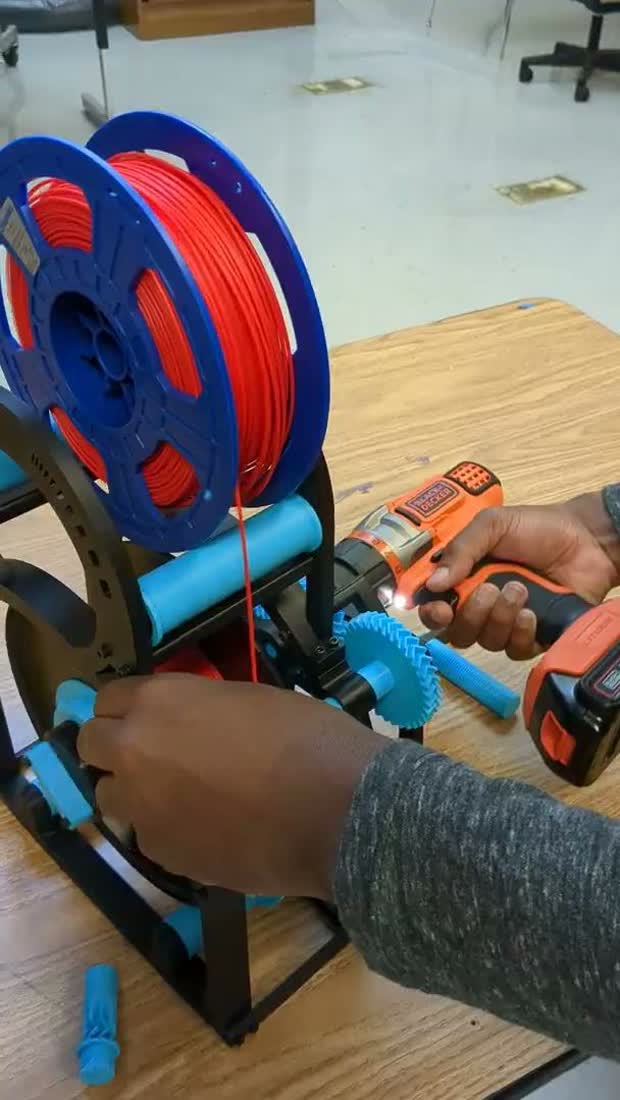
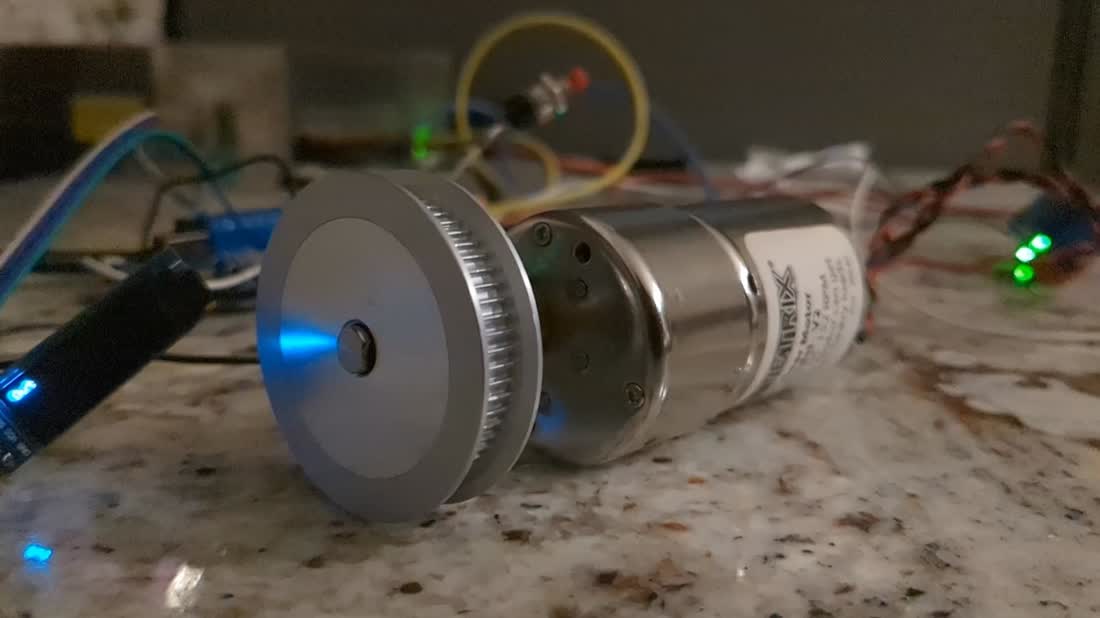
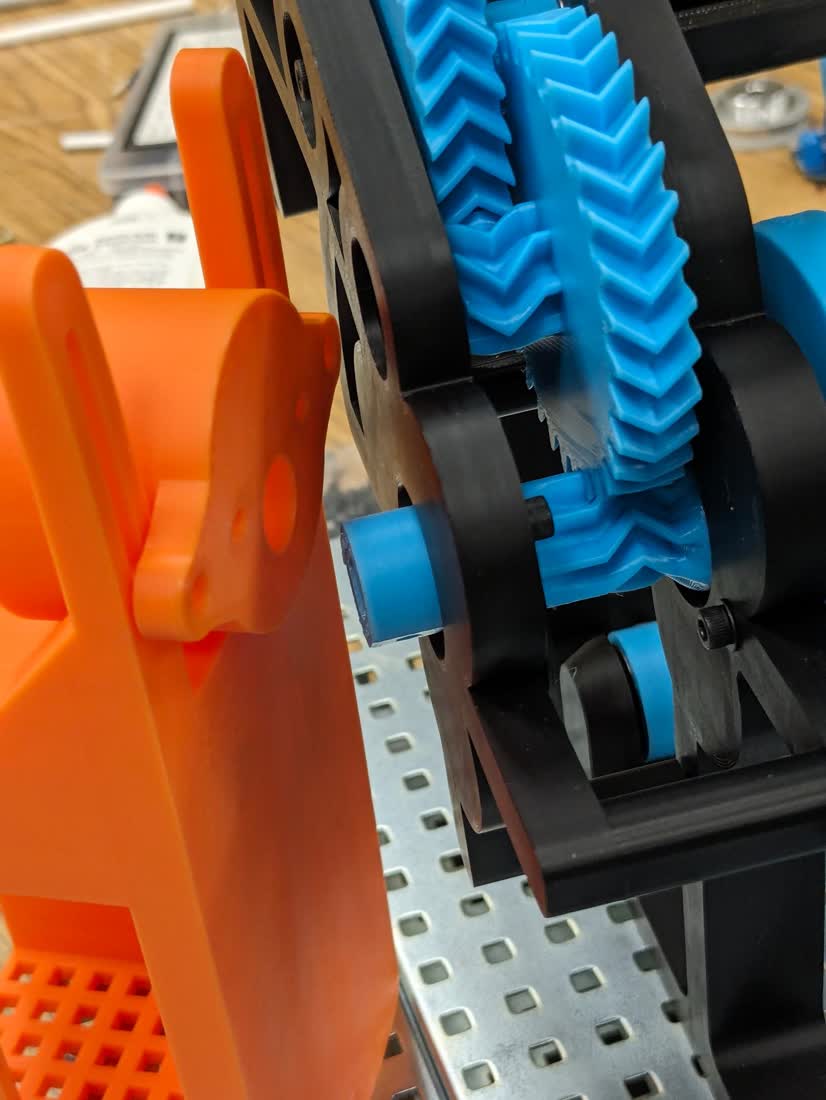
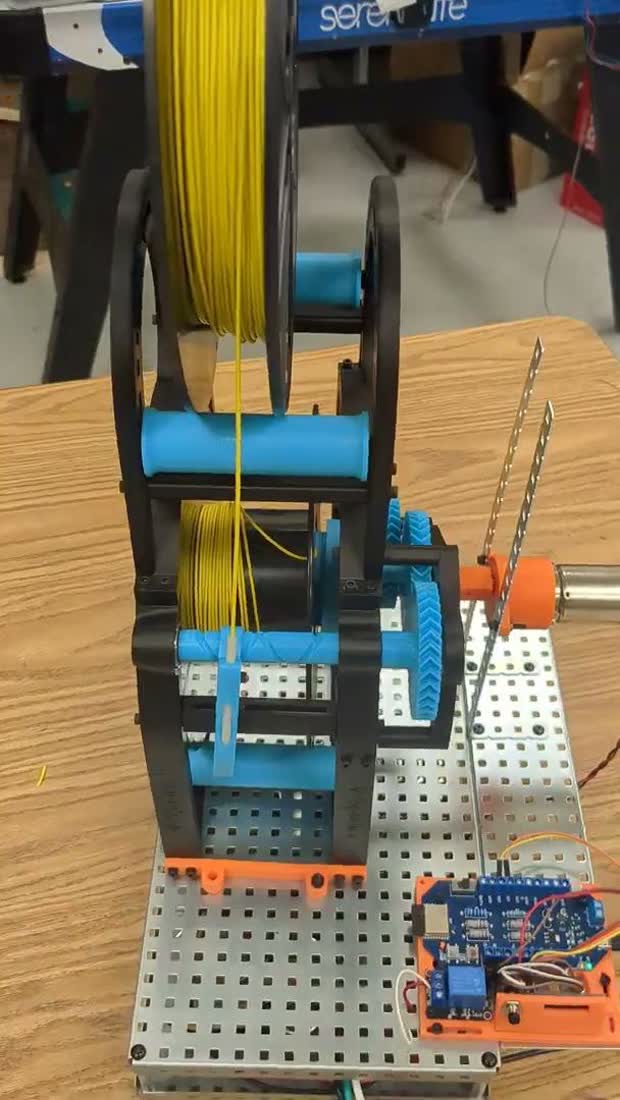
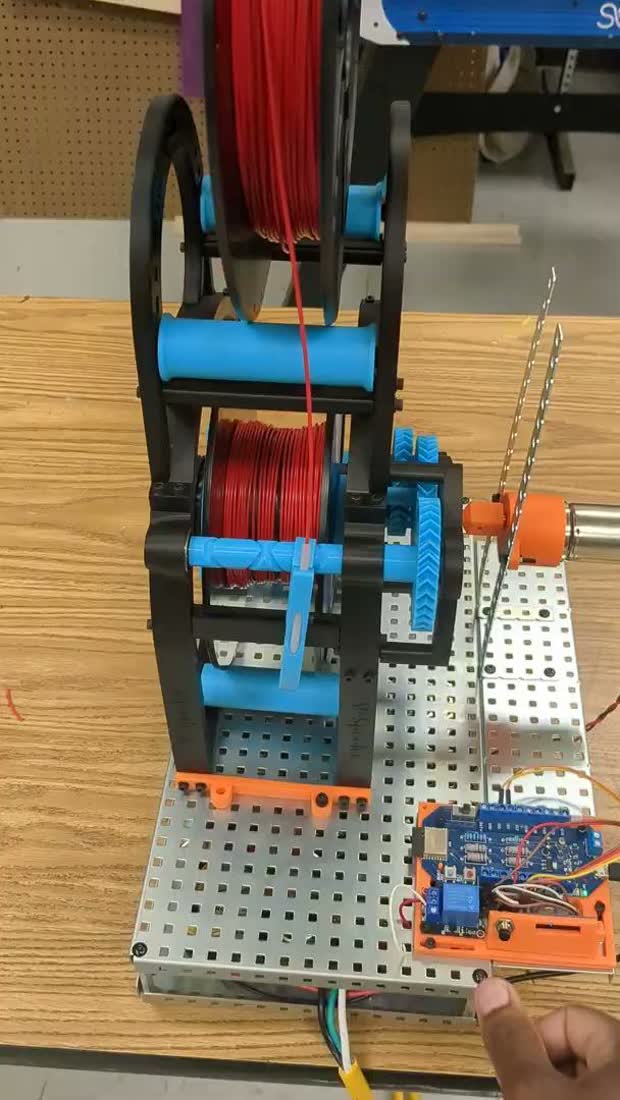
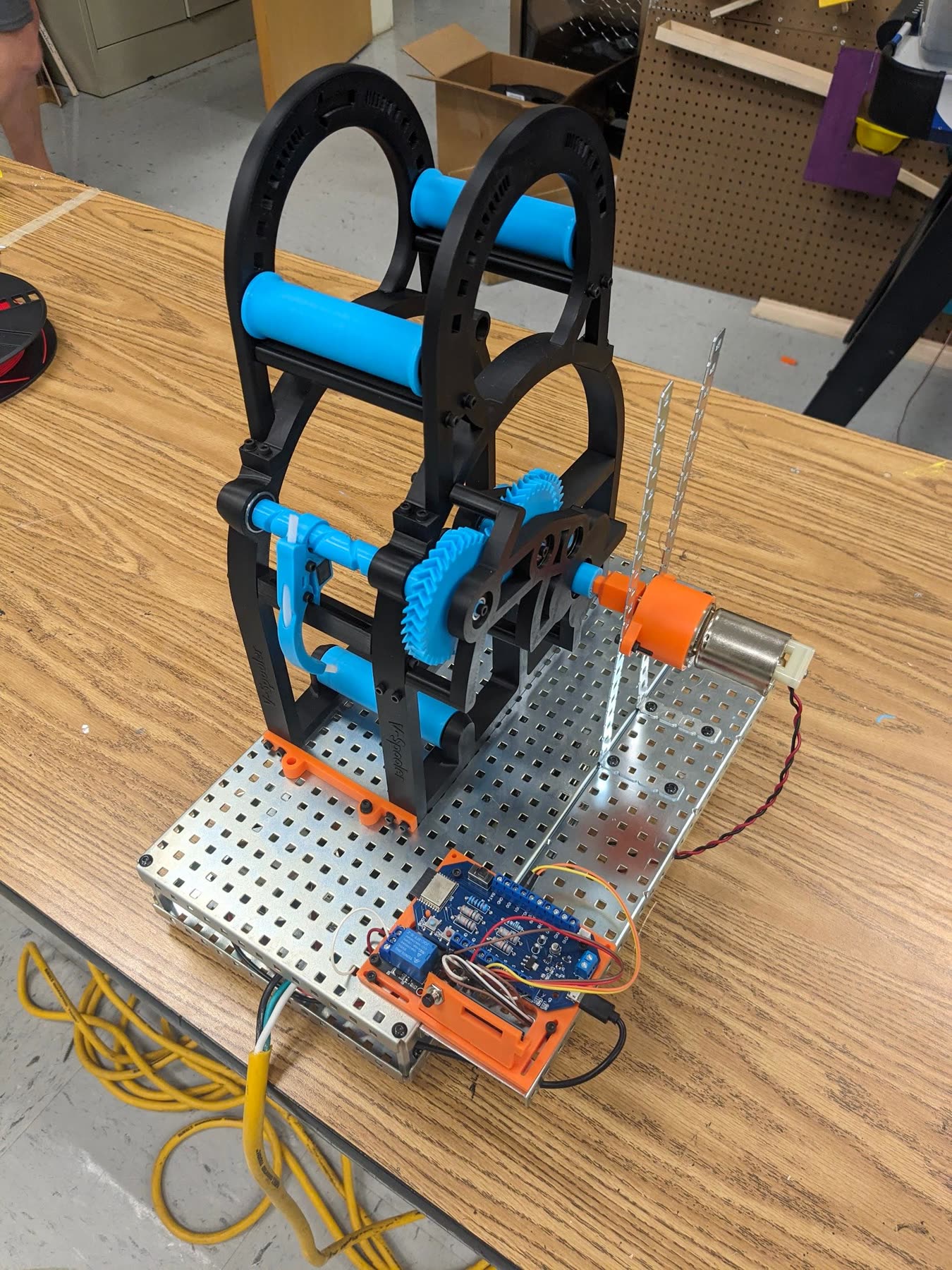
Three prototypes. I built a manual crank version, then a drill-driven one, then the automated brushless DC motor system that became the final design. Each one answered a question the previous one raised about torque and control.
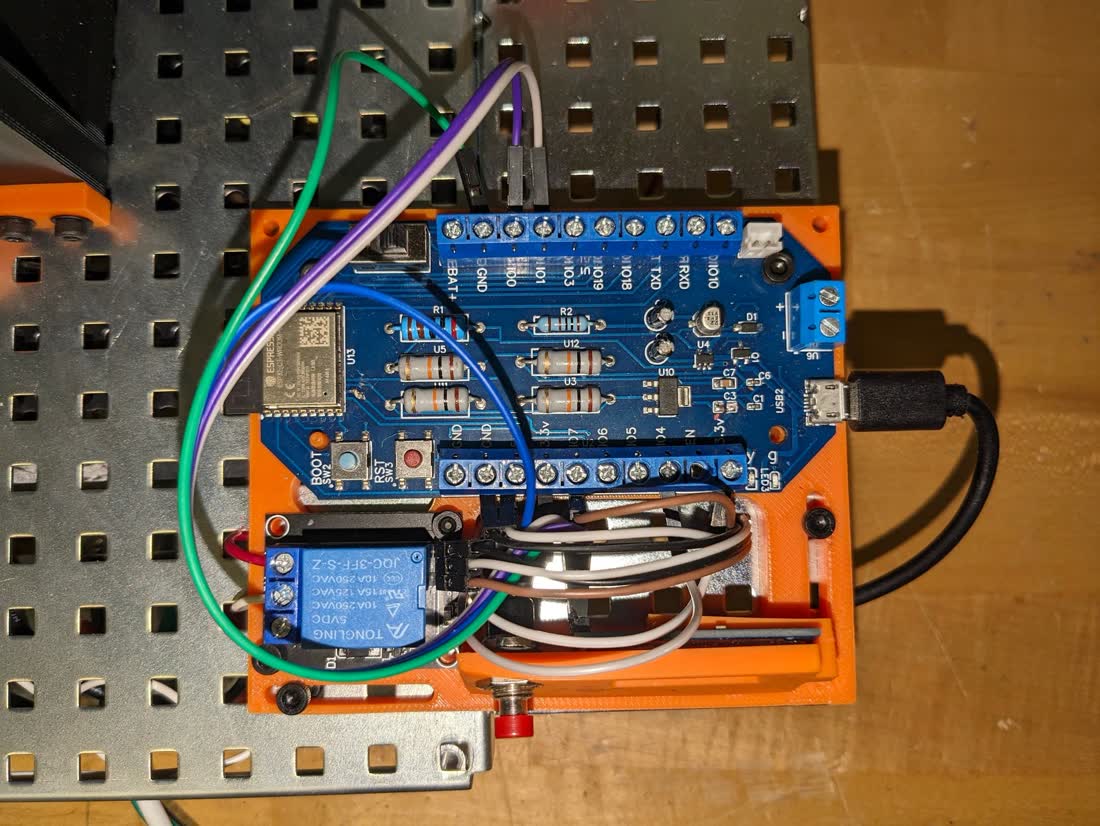
Electronics. A custom PCB with its own 12V/5V power system, driving the motor and relay under Arduino-based control.
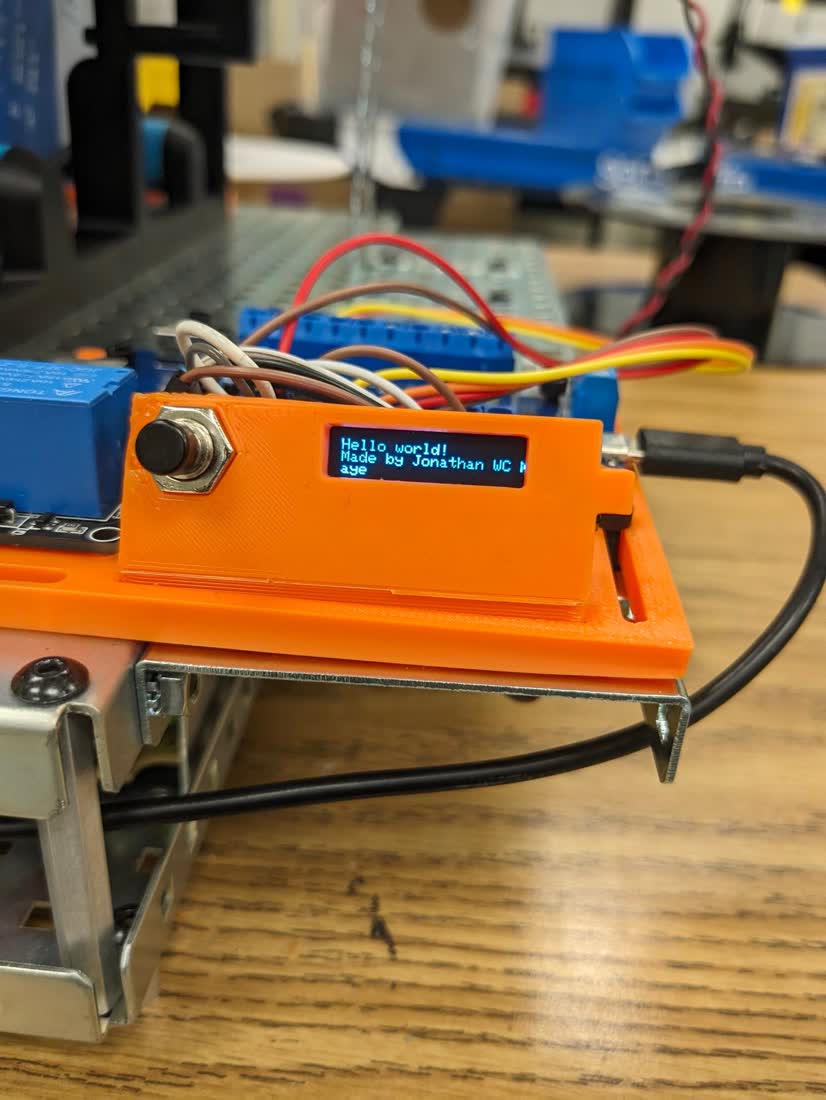
Interface. An OLED display for status, with proper input debounce, the early builds registered phantom presses that made the machine unpredictable.
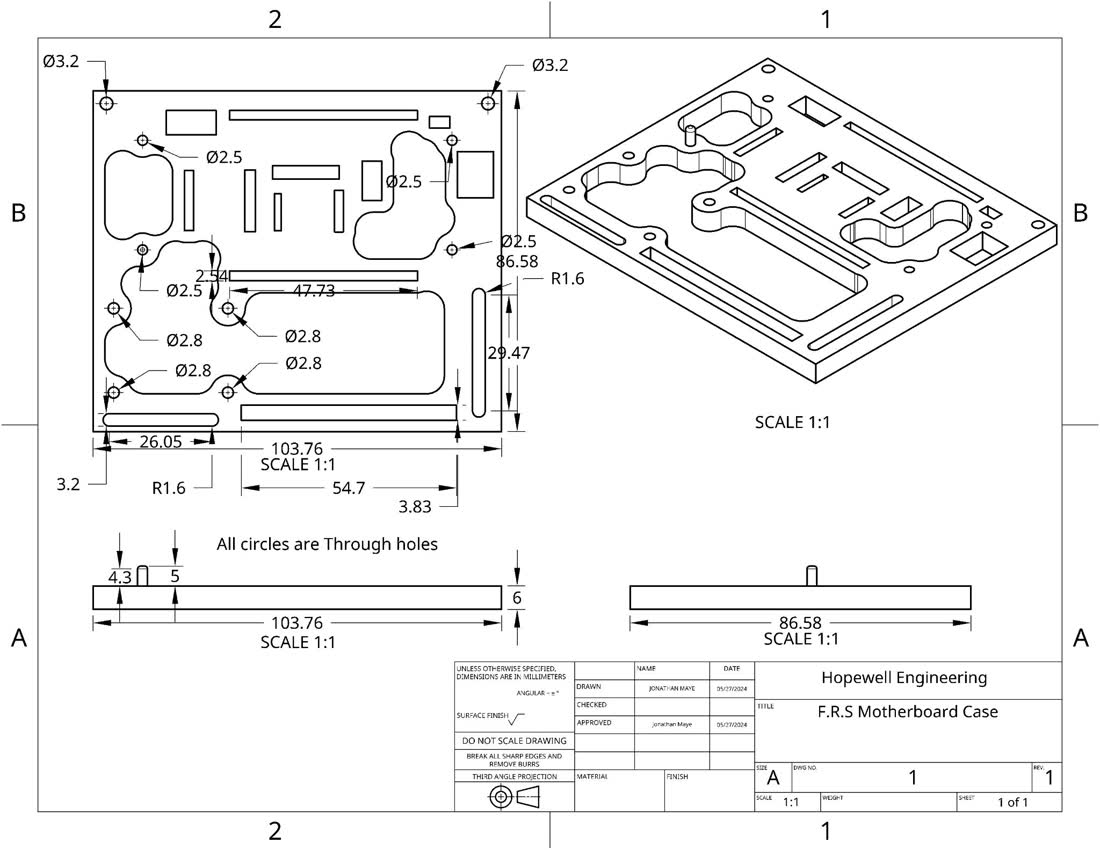
Packaging. I moved to a modular motherboard casing so the electronics could be pulled and iterated without dismantling the mechanism every time.
Results
Full automation and reliable operation under Arduino control, with the E-stop firing on a fixed interval so the machine is safe to leave running unattended.
Evaluation
The system met its criteria: it is quick enough to be worth using, handles most of the spools in the lab, and is safe unattended. Cutting a job from 7m 45s to 2m 30s is what turned respooling from a chore nobody did into something routine.
Reflection
This was the project that combined mechanical, electrical and software engineering into one system rather than three separate ones . PCB design, Arduino programming, relay control and the UX all had to agree with each other.
Future improvements: data tracking on transfers, LED status indicators, and in-process filament drying so material comes off the spool ready to print.
Project PDF
The full design brief and portfolio, as submitted.
Build log
Photographs from the project portfolio.